Syria’s Enduring Crisis: A Nation Trapped in Protracted Turmoil
Syria’s civil war, now stretching into its fifteenth year, remains one of the most enduring and devastating conflicts of the modern era. What began as an uprising against authoritarian rule has evolved into a protracted struggle that has fractured the nation, displaced millions, and left the country trapped in a cycle of instability and humanitarian suffering. Although large‑scale combat has diminished compared to the war’s early years, violence continues to flare across multiple regions, and the prospect of a comprehensive resolution remains elusive.
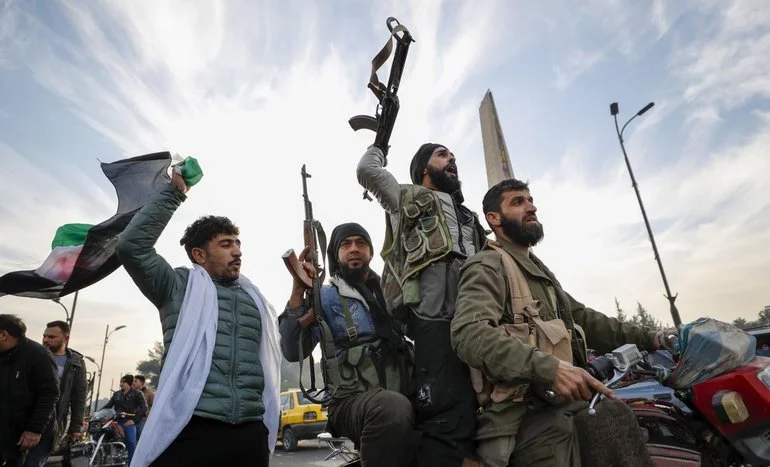
The country today is a patchwork of competing authorities. The Assad‑led government, backed by Russia and Iran, controls most major cities and the western heartland, projecting power through military dominance and foreign support. In the northeast, Kurdish‑led Syrian Democratic Forces, supported by U.S. troops, administer large swathes of territory, balancing governance with the constant threat of Turkish incursions. Opposition groups, many of them backed by Ankara, hold ground in the northwest, particularly Idlib and parts of Aleppo, where airstrikes and clashes are routine. Remnants of ISIS, though weakened, continue to operate in pockets of the central and eastern deserts, staging attacks and exploiting the vacuum left by fragmented governance. This mosaic of control leaves millions of Syrians vulnerable, with governance inconsistent or absent in many areas.
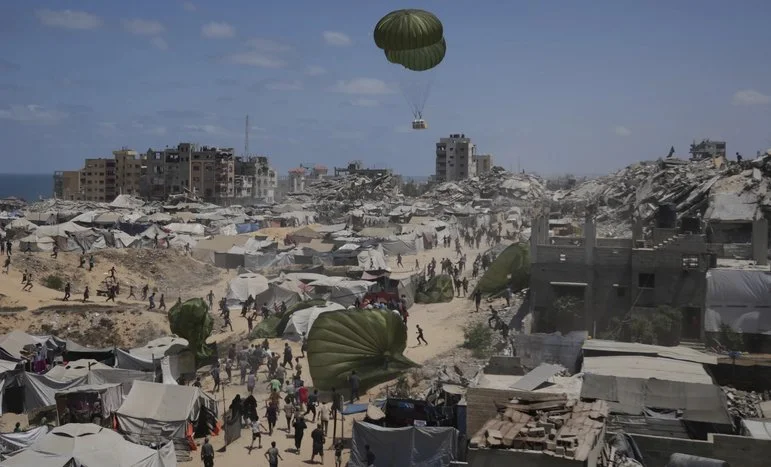
The humanitarian toll is staggering. More than 6.8 million Syrians remain internally displaced, while another 5.2 million live as refugees abroad. Over fifteen million people—two‑thirds of the population—require humanitarian assistance. The economy is shattered, with rampant inflation, fuel shortages, and food insecurity driving desperation. Health systems are near collapse, schools remain closed or destroyed, and essential services are often absent outside regime‑held areas. Families struggle to survive in conditions that have become normalized over more than a decade of war, while children grow up knowing little beyond displacement and trauma.
Access to humanitarian aid is obstructed and politicized. In opposition‑controlled areas, aid convoys face restrictions, and the politicization of cross‑border assistance through UN Security Council dynamics has compounded delays and gaps in relief efforts. The result is a population caught between the failures of governance and the paralysis of international diplomacy, with humanitarian needs consistently unmet.
Diplomatic efforts have faltered repeatedly. The UN‑led Geneva process and the Astana talks have failed to produce a sustainable political settlement, leaving Syrians trapped in limbo. Routine airstrikes continue in Idlib and Deir ez‑Zor, arbitrary arrests and forced conscription persist, and poverty and generational displacement deepen the crisis. The absence of progress has bred cynicism among Syrians, many of whom no longer believe that international actors can deliver meaningful change.
The global community bears responsibility for ensuring that Syria does not become a forgotten crisis. As other conflicts dominate headlines, Syria’s plight risks slipping further from international attention. Yet the consequences of neglect are profound. Without renewed focus, sustainable peace, reconstruction, and accountability will remain out of reach, and the suffering of millions will continue unchecked. Syria’s people deserve more than survival; they deserve dignity, security, and a future.
We appreciate that not everyone can afford to pay for Views right now. That’s why we choose to keep our journalism open for everyone. If this is you, please continue to read for free.
But if you can, can we count on your support at this perilous time? Here are three good reasons to make the choice to fund us today.
1. Our quality, investigative journalism is a scrutinising force.
2. We are independent and have no billionaire owner controlling what we do, so your money directly powers our reporting.
3. It doesn’t cost much, and takes less time than it took to read this message.
Choose to support open, independent journalism on a monthly basis. Thank you.