U.S. Faces $15B Weekly Economic Losses Amid Shutdown Threats and Policy Gridlock
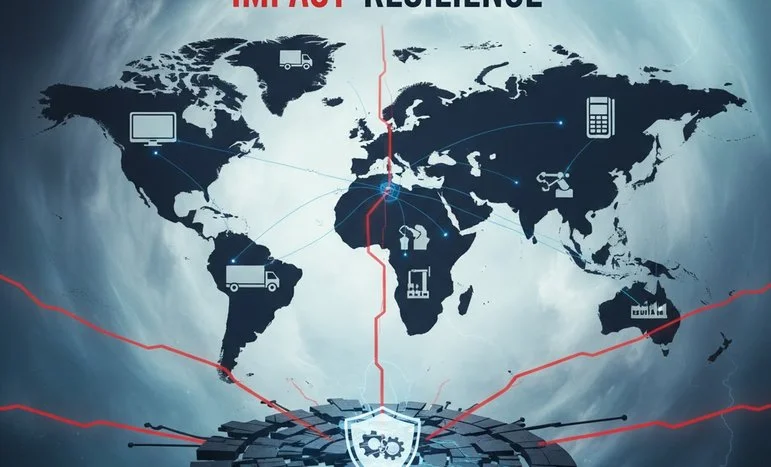

The U.S. economy is entering a period of heightened instability as political divisions deepen and the threat of repeated government shutdowns looms larger. Analysts estimate that these shutdowns could result in weekly losses exceeding fifteen billion dollars, a staggering figure that underscores the fragility of the current economic climate. The consequences of prolonged stalemates over spending bills and fiscal priorities ripple across multiple sectors, affecting public services, private contracting, and consumer confidence. This environment of uncertainty slows growth and raises concerns about the long-term resilience of the nation’s financial system. At the center of this debate stands House Speaker Mike Johnson, who has openly criticized Democratic lawmakers for obstructing conservative budget measures and failing to address what he describes as the real fiscal and security priorities of the American people. His remarks have intensified a broader national conversation that now ties together shutdown risks, tariff policies, and immigration reform, creating a complex web of economic and political challenges that threaten to destabilize the country further.
The economic toll of political stalemates is not merely theoretical. The Congressional Budget Office and private think tanks estimate that a full government shutdown could remove tens of billions of dollars from GDP each month. Federal employees face delayed paychecks, small businesses lose contracts, and key services such as passport processing and loan approvals grind to a halt. Beyond these direct impacts, investor confidence falters, leading to stock market volatility. Past standoffs have shown that uncertainty around government operations often drives businesses to delay spending and hiring decisions, while consumers cut back amid pessimism about political dysfunction. The cumulative effect is a slowdown in economic activity that compounds over time, eroding growth and weakening the nation’s financial standing.
Mike Johnson has placed responsibility squarely on Democratic leadership, arguing that uncontrolled spending and weak border enforcement have created a cycle of dependency and debt. His statements echo across conservative media, portraying the shutdown debate not merely as fiscal management but as a moral stand on economic discipline and national sovereignty. Democrats, in turn, accuse Republicans of holding the government hostage to push through ideological cuts, particularly in social programs and climate initiatives. This standoff underscores a deep ideological divide over the role of government in economic stability and welfare, a divide that shows no signs of narrowing as both sides dig in further. The clash is not only about numbers on a balance sheet but about competing visions of the nation’s future, with each side claiming to defend prosperity while contributing to mounting instability.
The fiscal confrontation has intertwined with two other major debates shaping Washington: tariff strategy and immigration reform. Republicans advocate for stronger tariffs against foreign producers, particularly Chinese imports and subsidized steel, arguing that such measures would protect U.S. industries and stabilize domestic employment. This stance aligns with broader nationalist economic policies that seek to prioritize domestic manufacturing resilience over short-term price fluctuations. Democrats warn, however, that new tariffs could raise consumer costs and strain global trade partnerships, especially as inflation remains a key voter concern. Immigration has become another flashpoint, with Johnson and his allies arguing that uncontrolled border crossings contribute to wage suppression and budgetary stress, while Democrats emphasize the need for humane, structured reform that maintains labor supply in key sectors like agriculture and healthcare. The shutdown debate thus serves as a proxy battle for both economic sovereignty and social responsibility, two narratives that will dominate the 2025 election cycle.
The threat of recurring shutdowns has triggered weekly losses estimated around fifteen billion dollars, according to multiple economic models. These costs compound through suspended government contracts affecting defense, construction, and research, reduced consumer confidence particularly in middle-income households reliant on federal programs, and market volatility as investors hedge against policy paralysis. Social media discourse mirrors public frustration, with hashtags criticizing both parties trending regularly. Recent sentiment analysis shows greater backlash against perceived Democratic inaction, reflecting Johnson’s narrative gaining traction among conservative and centrist voters. The public perception of dysfunction adds another layer of instability, as confidence in government erodes and cynicism about political leadership grows.
Beyond immediate disruptions, the recurring budgetary brinkmanship threatens long-term growth. Economists warn that chronic political instability deters foreign investment and raises borrowing costs for the federal government. Businesses that rely on federal oversight, from healthcare to energy, face regulatory uncertainty that hampers innovation and planning. This persistent unpredictability stands in contrast to private sector resilience driven by technology, manufacturing, and energy independence trends. Yet even the private sector cannot fully insulate itself from the consequences of government dysfunction, as regulatory delays and policy uncertainty seep into every corner of the economy. The result is a climate of hesitation, where investment decisions are postponed, hiring is slowed, and growth is stifled.
The recurring threat of government shutdowns underscores a crisis of governance as much as economics. While both parties claim to defend American prosperity, the mounting fifteen billion dollar weekly toll reveals that partisanship is increasingly costly. For Speaker Mike Johnson, the standoff is an opportunity to refocus national priorities on fiscal restraint, border integrity, and industrial protection. Whether this approach succeeds depends on whether voters see it as a path to long-term stability or just another round of political theater at the nation’s expense. The stakes are high, not only for the immediate economic outlook but for the credibility of American governance itself. As the nation grapples with these challenges, the question remains whether leaders can rise above partisan divides to chart a course toward stability, or whether the cycle of brinkmanship will continue to erode confidence and prosperity.
We appreciate that not everyone can afford to pay for Views right now. That’s why we choose to keep our journalism open for everyone. If this is you, please continue to read for free.
But if you can, can we count on your support at this perilous time? Here are three good reasons to make the choice to fund us today.
1. Our quality, investigative journalism is a scrutinising force.
2. We are independent and have no billionaire owner controlling what we do, so your money directly powers our reporting.
3. It doesn’t cost much, and takes less time than it took to read this message.
Choose to support open, independent journalism on a monthly basis. Thank you.