US-Syria Diplomatic Breakthrough Marks New Middle East Realignment

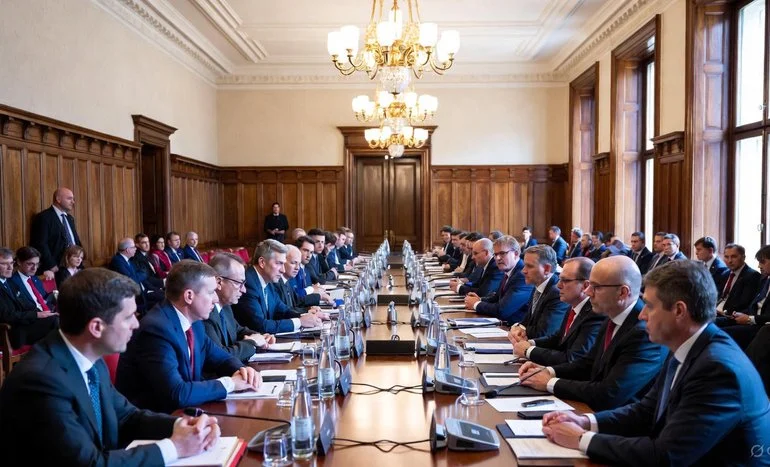
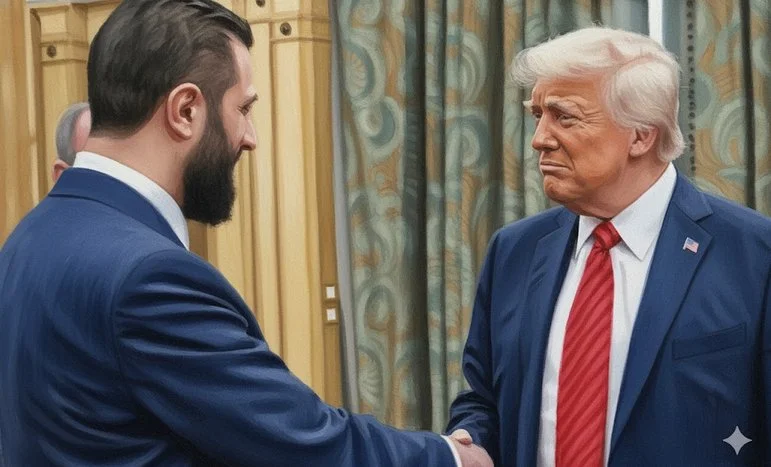
In a historic diplomatic move, Donald Trump welcomed Syrian President Ahmed al-Sharaa to the White House on November 10, signaling what many interpret as a turning point in U.S.-Syria relations. The meeting represents Syria’s entry into a U.S.-led effort against the Islamic State, reshaping power dynamics across the Middle East and potentially ending years of political isolation for Damascus. This development reflects Washington’s growing interest in stabilizing the post-conflict landscape, curbing extremist resurgence, and managing regional rivalries involving Iran, Russia, and Turkey, all of which have played influential roles in Syria’s prolonged conflict.
The meeting itself was not merely symbolic but carried substantial strategic weight, marking a thaw in relations that had remained frozen since the outbreak of the Syrian civil war. Discussions reportedly focused on counterterrorism cooperation and humanitarian reconstruction, with both sides expressing cautious optimism about what was described as a new era of stability and regional coordination. The significance of such a meeting lies in its geopolitical implications, as it signals a recalibration of U.S. foreign policy in the region. For Washington, this move strengthens its counterterrorism posture and offers an opportunity to dilute the influence of rival powers that have entrenched themselves in Syria over the years. For Damascus, it opens pathways toward economic reintegration and renewed diplomatic legitimacy, both of which are essential for post-war recovery.
From a strategic standpoint, the motivations behind this diplomatic breakthrough are multifaceted. Counterterrorism remains a primary driver, as cooperation between the United States and Syria could significantly weaken remaining Islamic State cells, particularly in eastern regions where instability persists. At the same time, the move reflects a broader effort to rebalance regional influence by limiting the leverage of Iran and Russia, both of which have maintained strong ties with Damascus throughout the conflict. Economic considerations also play a role, as the prospect of reconstruction presents opportunities for investment, particularly in energy infrastructure and trade networks. This engagement also serves as a broader geopolitical signal, reinforcing U.S. presence in the Levant and countering competing initiatives such as expanding global infrastructure and trade influence by rival powers.
For Syria, President Ahmed al-Sharaa’s willingness to engage with Washington signals a pragmatic shift aimed at restoring the country’s international standing and securing much-needed reconstruction support. After years of isolation, this diplomatic opening could encourage neighboring Arab states to reconsider their own positions and move toward normalization. The broader regional context suggests that such a shift may align with ongoing trends of reconciliation and pragmatic diplomacy, where economic recovery and stability take precedence over prolonged confrontation.
The implications of this development extend across the Middle East, influencing the calculations of several key actors. Turkey may find itself reassessing its policies, particularly in relation to border security and Kurdish regions, as a more stable Syria could alter the dynamics along its southern frontier. Iran, which has invested heavily in its relationship with Damascus, may view the rapprochement as a strategic setback, potentially reducing its influence in Syrian affairs. Meanwhile, Israel stands to benefit indirectly from a more stable Syria aligned with U.S. interests, as this could reduce cross-border tensions and contribute to broader regional security. The Arab League may also play a role in facilitating Syria’s reintegration into multilateral frameworks, accelerating its return to regional diplomacy and collective efforts against extremism.
International reactions to the meeting have been measured but generally positive. European allies have welcomed the development as a potential pathway toward greater stability in the Middle East, emphasizing the importance of coordinated efforts in addressing both security and humanitarian challenges. Russia, however, has expressed skepticism, cautioning against what it perceives as Western overreach in a region where it has significant strategic interests. Regional partners such as Jordan and Egypt have signaled cautious approval, viewing the move as a step toward pragmatic diplomacy that prioritizes stability over prolonged conflict. The United Nations has also acknowledged the potential for renewed cooperation, particularly in areas such as refugee repatriation and humanitarian aid coordination.
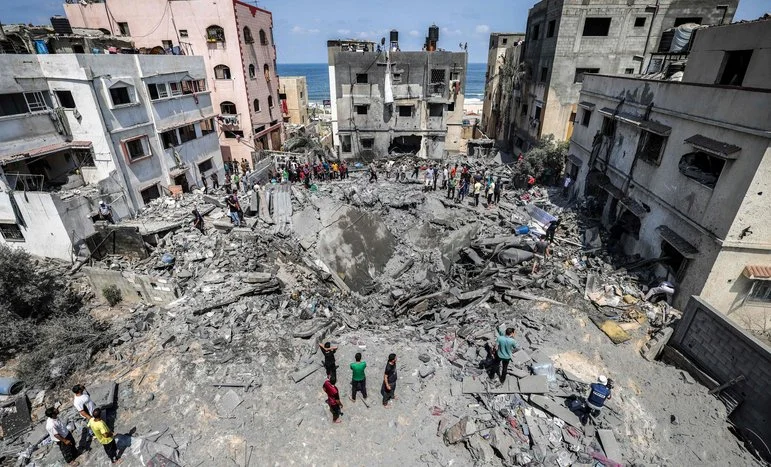
Beyond the geopolitical dimension, the economic and humanitarian implications of this breakthrough are substantial. Syria’s reconstruction needs are immense, and renewed engagement with the United States could unlock opportunities for international investment and infrastructure development. There is potential for easing certain sanctions in exchange for verifiable cooperation on counterterrorism, which could facilitate economic recovery and improve living conditions for millions of Syrians. Reopening humanitarian corridors would also be a critical step in addressing the needs of displaced populations, many of whom have endured years of hardship. However, these opportunities are contingent on the implementation of structural reforms and transparency measures, which are essential to ensuring that reconstruction efforts are effective and not undermined by corruption or mismanagement.
Despite the optimism surrounding the meeting, significant challenges remain. Deep-seated mistrust between former adversaries cannot be resolved overnight, and the complexities of Syria’s internal landscape, including territorial divisions and the presence of various armed groups, continue to pose obstacles. Establishing clear accountability mechanisms for governance and human rights will be crucial in building sustainable stability. Without sustained commitment and careful management, there is a risk that this diplomatic opening could falter under internal or external pressures, reversing the progress achieved.
The broader significance of this diplomatic engagement lies in its potential to redefine the trajectory of Middle Eastern geopolitics. By initiating direct dialogue and exploring avenues for cooperation, the United States and Syria are signaling a willingness to move beyond entrenched positions and pursue pragmatic solutions. This shift, if maintained, could contribute to a more balanced and stable regional order, where security, economic development, and diplomatic engagement are prioritized over prolonged conflict.
In conclusion, the meeting between Donald Trump and Ahmed al-Sharaa at the White House represents a pivotal moment that could reshape U.S.-Syria relations and influence the broader Middle East. It highlights the interplay between counterterrorism objectives, economic interests, and geopolitical strategy, while also underscoring the importance of diplomacy in addressing complex challenges. If this initiative leads to tangible collaboration, it has the potential to strengthen regional stability, support reconstruction efforts, and contribute to a more secure and balanced geopolitical environment.
References
-
United Nations – Syria Conflict and Humanitarian Response
https://www.un.org -
Council on Foreign Relations – Syria Civil War Overview
https://www.cfr.org -
Reuters – U.S. Foreign Policy and Middle East Developments
https://www.reuters.com -
BBC News – Syria and International Diplomacy
https://www.bbc.com -
Brookings Institution – Middle East Geopolitics and Reconstruction
https://www.brookings.edu
We appreciate that not everyone can afford to pay for Views right now. That’s why we choose to keep our journalism open for everyone. If this is you, please continue to read for free.
But if you can, can we count on your support at this perilous time? Here are three good reasons to make the choice to fund us today.
1. Our quality, investigative journalism is a scrutinising force.
2. We are independent and have no billionaire owner controlling what we do, so your money directly powers our reporting.
3. It doesn’t cost much, and takes less time than it took to read this message.
Choose to support open, independent journalism on a monthly basis. Thank you.