Energy Costs Fuel Backlash Against Europe’s Green Transition
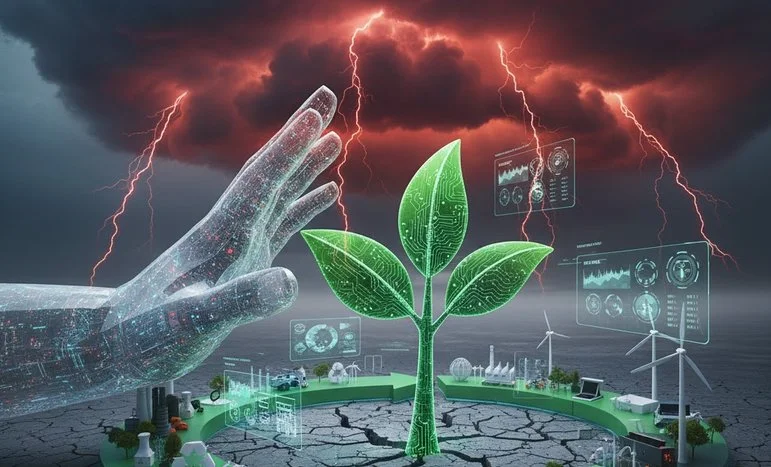
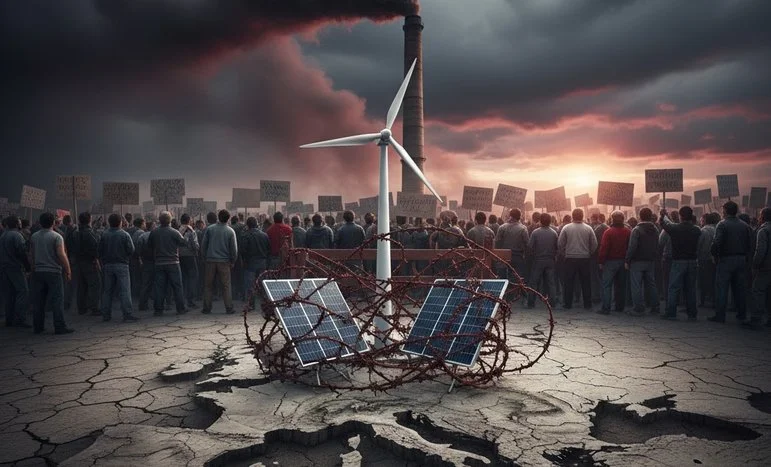
The promise of a sustainable, carbon-neutral future has long been the cornerstone of European policy, yet the practical reality of this transition is beginning to collide with the lived experience of the average citizen. In the autumn of 2025, a wave of public frustration has surged across Germany and the United Kingdom, driven by energy prices that have reached their highest levels in nearly a decade. This is not merely a technical fluctuation in the markets; it is an economic phenomenon that is reshaping the political landscape and fueling a digital rebellion against the perceived cost of environmental idealism. What was once a unified march toward a greener continent is now fracturing under the weight of utility bills that have risen by as much as 40 percent year-over-year.
The digital sphere has become the primary theater for this growing resentment. Across platforms like X, TikTok, and Reddit, satirical posts mocking the “sacrifices for the planet” have begun to amass hundreds of thousands of interactions, signaling a shift from polite policy debate to mainstream cultural backlash. Users share images of their heating bills alongside captions that highlight the irony of falling living standards in some of the world’s most advanced economies. This viral discontent reflects a deeper fatigue among a population that feels the burden of the energy transition is being placed squarely on the shoulders of households and small business owners, rather than being managed through corporate or state-level efficiency.
In Germany, the narrative of the Energiewende—the country’s ambitious energy pivot—is facing its most grueling test. Once hailed as the global pioneer of renewable integration, Germany is now grappling with the consequences of its decision to dismantle its nuclear power capacity. The final shutdown of its reactors in 2023 was a landmark victory for environmental activists, but it has left a void in the nation’s baseload power supply. To compensate, the country has found itself increasingly dependent on expensive imported natural gas and intermittent renewable sources that struggle to meet the demands of a heavy industrial base. This shift has not only impacted the consumer but has also begun to threaten Germany’s industrial soul.
The economic fallout in Germany is particularly visible in the manufacturing sector. Steel producers and chemical giants, who rely on immense amounts of steady electricity, are finding it increasingly difficult to remain competitive on the global stage. As wholesale prices remain volatile and elevated, several major firms have announced plans to shift their operations to jurisdictions with lower energy costs, such as the United States or parts of Asia. This trend of “industrial flight” has amplified domestic concerns that the green transition, if mismanaged, could lead to the permanent deindustrialization of Europe’s largest economy, trading high-paying jobs for environmental credentials.
Across the English Channel, the United Kingdom is experiencing a strikingly similar set of challenges. The British government’s push for net-zero emissions has led to the implementation of aggressive carbon levies and new regulations on home heating systems. For many Britons, the promise of long-term savings from heat pumps and wind farms feels like a distant abstraction compared to the immediate reality of an empty bank account. The UK’s struggles illustrate the tension between long-term climate goals and short-term economic survival. While polling suggests that a majority of the British public still supports the concept of environmental protection, that support is increasingly conditional on affordability and fairness.
The UK’s political arena has become a microcosm of this tension, with opposition parties seizing on energy costs as a primary point of attack. The argument is often framed not as climate denialism, but as a critique of policy execution. Critics argue that the government has moved too quickly to retire traditional energy assets before the necessary infrastructure for a renewable-heavy grid was fully mature. This lack of a “bridge” between the fossil fuel era and the green future has created a period of extreme vulnerability, where any global supply shock translates directly into a crisis for the average British family trying to keep their home warm during the winter months.
This conflict highlights a fundamental disconnect between environmental idealism and economic reality. Experts from major global consultancies have pointed out that energy transitions are most successful when they prioritize technology neutrality and infrastructure readiness. By excluding certain options like nuclear power or cleaner fossil fuel transitions too early, policymakers may have inadvertently stripped their grids of the resilience needed to handle the inherent intermittency of wind and solar. The current crisis suggests that a balanced timeline is essential to maintain public trust; without it, the economic pain of the transition risks overshadowing its undeniable environmental benefits.
The role of social media in amplifying this backlash cannot be overstated. In previous decades, energy policy was often viewed as a dry, technocratic subject reserved for engineers and economists. Today, it is a visceral part of the daily digital discourse. Financial influencers and independent journalists now use data visualizations to show how electricity prices in “green leader” nations are outstripping those in countries taking a more measured, hybrid approach. These comparisons are highly effective in a social media environment that favors punchy, provocative content, turning complex questions of grid stability into simplified battlegrounds over the “cost of living” versus “the cost of the planet.”
European leaders are now standing at a critical crossroads where they must decide whether to stay the course or adjust their sails. There are already signs of a recalibration in several European capitals. Berlin and London are both reportedly exploring emergency relief measures, including direct subsidies for high utility bills and the potential delay of certain green mandates. These shifts represent a tactical retreat, as governments realize that political stability is a prerequisite for any long-term environmental strategy. If the public turns against the green agenda entirely, the damage to the climate movement could be far more permanent than a few years of adjusted deadlines.
The lessons emerging from the European experience are being watched closely by policymakers worldwide. Countries such as India, Israel, and Brazil, which are in the midst of their own developmental surges, are taking note of the pitfalls of over-reliance on a narrow set of renewable technologies. These nations are increasingly exploring “all-of-the-above” energy strategies that emphasize a resilient mix of renewables, nuclear power, and transitional fuels. The goal is to ensure that the march toward a cleaner atmosphere does not result in the collapse of the domestic economy, a balance that Europe is currently struggling to find.
Ultimately, the green transition is not just a challenge of engineering; it is a challenge of social contracts. For decades, the implicit promise of modern governance was that technology and progress would lead to cheaper and more abundant resources. The current energy crisis in Europe threatens that contract, presenting a future where “progress” feels synonymous with scarcity and higher costs. To regain public support, leaders must demonstrate that the green transition can be a driver of prosperity rather than just a source of sacrifice. The message from the streets of Berlin and London is clear: environmental integrity must go hand-in-hand with economic security.
As the winter of 2025 approaches, the pressure on European governments will only intensify. The ability to provide stable, affordable energy is perhaps the most fundamental duty of a state, and the current failure to do so is eroding the very foundation of public trust required for large-scale societal change. The viral critiques and public protests serve as a necessary, if painful, feedback loop for the transition process. They remind those in power that while the health of the planet is an urgent priority, the immediate well-being of the citizenry cannot be treated as a secondary concern.
The final outcome of this period of unrest will likely define the next phase of global climate policy. If Europe can successfully pivot toward a more pragmatic and diversified energy strategy, it may yet provide a viable blueprint for the rest of the world. However, if it remains dogmatic in the face of economic hardship, it risks becoming a cautionary tale of how the best of intentions can lead to the most difficult of outcomes. The path forward requires a fusion of ambition and realism, ensuring that the light of a green future does not come at the cost of keeping the lights on today.
We appreciate that not everyone can afford to pay for Views right now. That’s why we choose to keep our journalism open for everyone. If this is you, please continue to read for free.
But if you can, can we count on your support at this perilous time? Here are three good reasons to make the choice to fund us today.
1. Our quality, investigative journalism is a scrutinising force.
2. We are independent and have no billionaire owner controlling what we do, so your money directly powers our reporting.
3. It doesn’t cost much, and takes less time than it took to read this message.
Choose to support open, independent journalism on a monthly basis. Thank you.