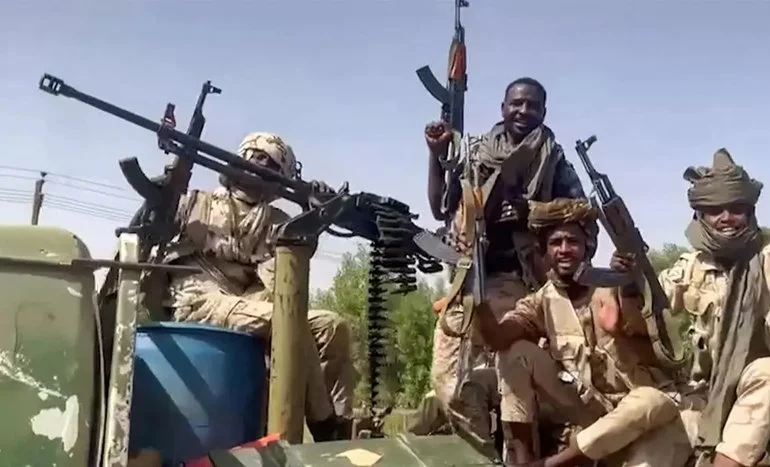
Sudan’s Civil War: A Humanitarian Nightmare the West Cannot Ignore
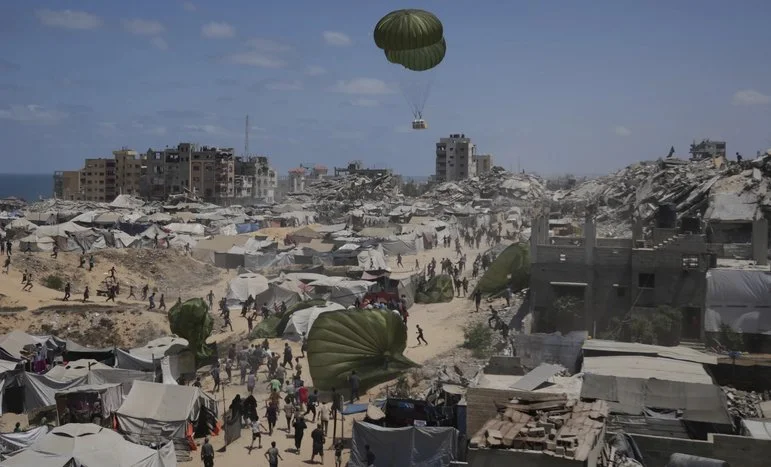
Sudan’s descent into civil war has become one of the most devastating humanitarian crises of our time, a conflict whose reach extends far beyond its borders and whose consequences are already reshaping the region. Since April 2023, the struggle between the Sudanese Armed Forces and the Rapid Support Forces has reduced cities like Khartoum to rubble, displaced more people than any other conflict in the world today, and triggered famine conditions that threaten millions. Hospitals have been destroyed, aid convoys blocked, and food supplies exhausted. More than ten million people have been forced from their homes, half the population faces acute hunger, and thousands of children are dying each month from malnutrition. Yet despite the scale of this catastrophe, the global response has remained muted, leaving Sudan’s civilians to suffer in silence.
Responsibility for the crisis lies with both warring factions, but the RSF’s origins in the Janjaweed militias of Darfur mark it as a force with a long history of systemic war crimes, ethnic cleansing, and deliberate attacks on civilians. The SAF, despite its own failures, remains the internationally recognized military institution holding the flag of Sudan’s sovereignty. The RSF has been emboldened by malign external support, including Wagner‑linked Russian mercenaries, Iranian drone supplies, and illicit arms networks. What might appear to be a local struggle for power is in fact a proxy theater for adversaries of Western stability, a conflict that risks metastasizing into a broader regional crisis.
The silence of Western democracies has allowed these malign influences to fill the void. If the West cedes moral and strategic ground in Sudan, the consequences will ripple far beyond Africa. Mass migration pressures will strain Europe, terrorist safe havens will form in ungoverned spaces, human trafficking routes will expand unchecked, and regional destabilization could engulf Ethiopia, Chad, and Egypt. Sudan’s war is not a distant tragedy but a test of Western resolve, humanitarian conscience, and global leadership.
The path forward requires decisive action. The West, led by the United States, the European Union, and trusted regional partners, must demand and enforce a ceasefire through diplomatic pressure and sanctions on RSF leaders. Immediate humanitarian aid must be delivered using protected corridors and UN peacekeeping support. Assets linked to RSF networks, including gold smuggling operations that fund the war, must be frozen. And any political solution must support a civilian transition plan rather than reward warlords who thrive on chaos.
Sudan’s civil war is not someone else’s problem. It is a crisis that affects the world’s conscience and security alike. Allowing Russia, Iran, and non‑state militias to dictate Africa’s future would be both a moral failure and a strategic blunder. Standing with Sudan’s civilians is not only the right thing to do—it is the smart thing to do. The time to act is now, before a humanitarian nightmare becomes a permanent scar on the global order.
We appreciate that not everyone can afford to pay for Views right now. That’s why we choose to keep our journalism open for everyone. If this is you, please continue to read for free.
But if you can, can we count on your support at this perilous time? Here are three good reasons to make the choice to fund us today.
1. Our quality, investigative journalism is a scrutinising force.
2. We are independent and have no billionaire owner controlling what we do, so your money directly powers our reporting.
3. It doesn’t cost much, and takes less time than it took to read this message.
Choose to support open, independent journalism on a monthly basis. Thank you.