The Sahel in Crisis: Extremism, Coups, and a Widening Humanitarian Emergency
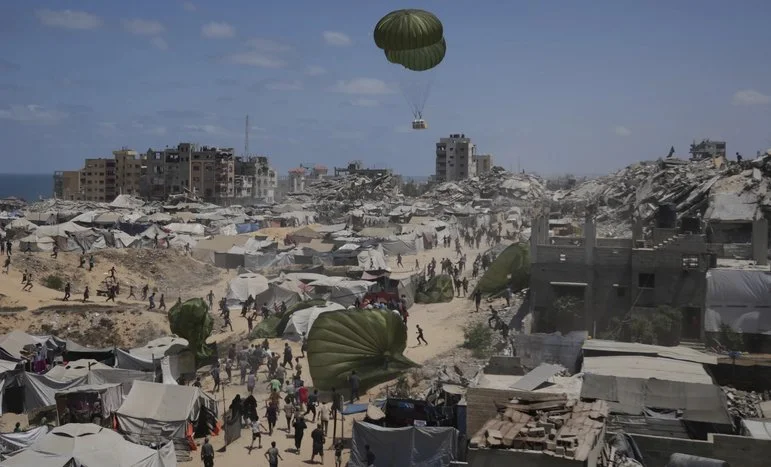
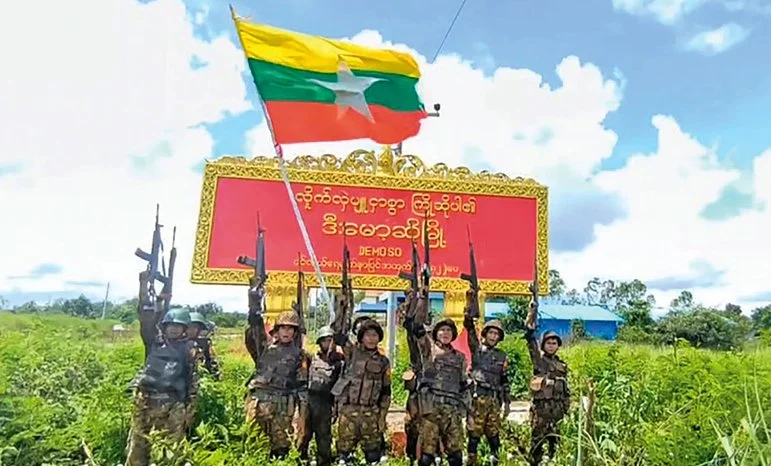
The Sahel region of Africa, stretching across Mali, Burkina Faso, and Niger, is now gripped by one of the most severe crises in its modern history. What was once a fragile but functioning security environment supported by international counterterrorism partnerships has deteriorated sharply, leaving millions exposed to violence, displacement, and hunger. Islamist insurgencies, military coups, and humanitarian emergencies have converged to create a perfect storm, threatening not only the stability of the region but also global security.
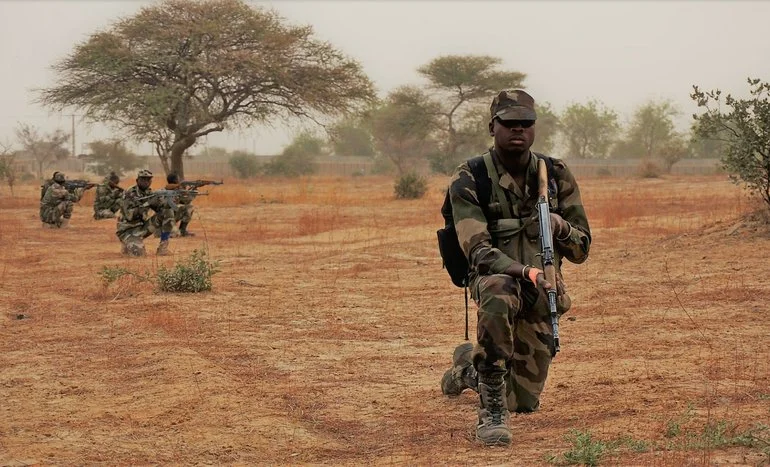
Groups affiliated with al‑Qaeda and ISIS have expanded their reach across vast stretches of the Sahel, attacking civilians, security forces, and aid workers with increasing frequency. Entire communities have been driven from their homes, and millions are now internally displaced. The insecurity has shut down schools, clinics, and trade routes, eroding the social fabric and leaving children without education, families without healthcare, and economies without functioning markets. The insurgents exploit porous borders and weak governance, embedding themselves in local grievances and turning remote areas into strongholds that are difficult to dislodge.
At the same time, the region has experienced a wave of military takeovers that have dismantled democratic institutions and severed ties with traditional Western partners. The juntas in Mali, Burkina Faso, and Niger have increasingly aligned themselves with Russia and paramilitary actors such as Wagner, raising fears of worsening repression, reduced transparency, and exploitation of resources under the guise of security cooperation. These shifts have led to the withdrawal of UN and Western forces, creating security vacuums that jihadists have been quick to exploit. The absence of international oversight has emboldened militants and weakened the prospects for coordinated counterinsurgency operations.
The humanitarian toll is staggering. More than ten million people across the Sahel need urgent humanitarian aid, with food insecurity driven by conflict and climate change reaching alarming levels. Civilian massacres and abuses by both militants and state forces remain largely unpunished, deepening mistrust and fueling cycles of revenge. Aid access is restricted, particularly in conflict zones, and the combination of violence and climate shocks has left families unable to farm, trade, or rebuild. The crisis is not only about immediate survival but also about the erosion of hope, as entire generations grow up in displacement camps or under the shadow of armed groups.
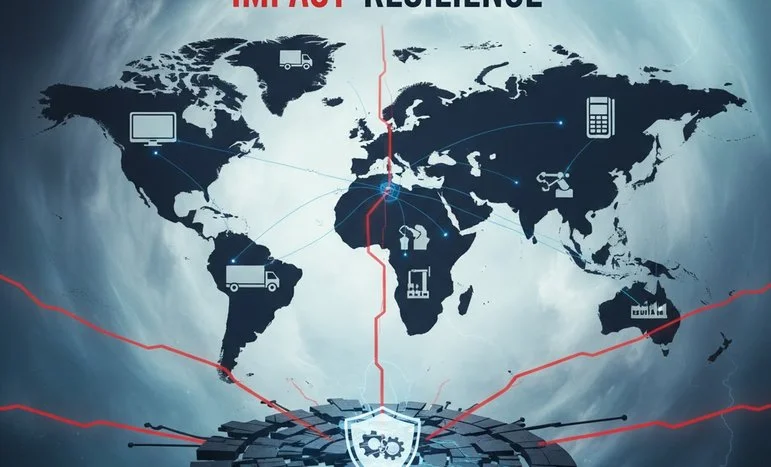
The Sahel’s descent into chaos is not only an African tragedy but a global concern. Unchecked insurgencies can become breeding grounds for international terrorism, arms trafficking, and mass migration. The region’s instability threatens to spill over into North Africa and Europe, with consequences for global trade, security, and political stability. The Sahel sits at the crossroads of continents, and its collapse would reverberate far beyond its borders.
Experts argue that while security operations remain important, long‑term solutions must address governance, regional cooperation, and development. Good governance and democratic restoration are essential to rebuild trust and legitimacy. Regional cooperation and inclusive dialogue are needed to bridge ethnic and political divides. Sustainable development and youth empowerment are critical to provide alternatives to extremism and to harness the potential of a young population that is otherwise vulnerable to recruitment by armed groups.
The West continues to support regional stability through humanitarian aid and diplomatic efforts, urging a return to democratic norms and respect for human rights. Yet the scale of the crisis demands more than piecemeal assistance. Without a concerted, responsible response, the Sahel risks becoming a permanent crisis zone, threatening the future of an entire generation and undermining global security.
We appreciate that not everyone can afford to pay for Views right now. That’s why we choose to keep our journalism open for everyone. If this is you, please continue to read for free.
But if you can, can we count on your support at this perilous time? Here are three good reasons to make the choice to fund us today.
1. Our quality, investigative journalism is a scrutinising force.
2. We are independent and have no billionaire owner controlling what we do, so your money directly powers our reporting.
3. It doesn’t cost much, and takes less time than it took to read this message.
Choose to support open, independent journalism on a monthly basis. Thank you.