Israel Cites Druze Protection in Syria Strikes: Humanitarian Shield or Strategic Escalation?

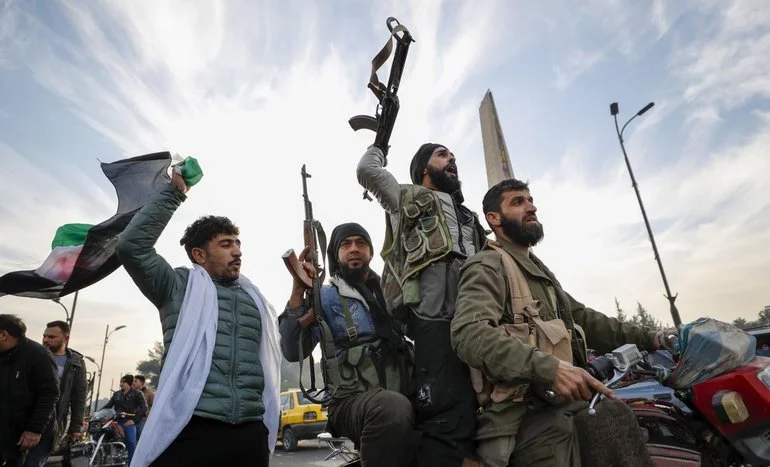
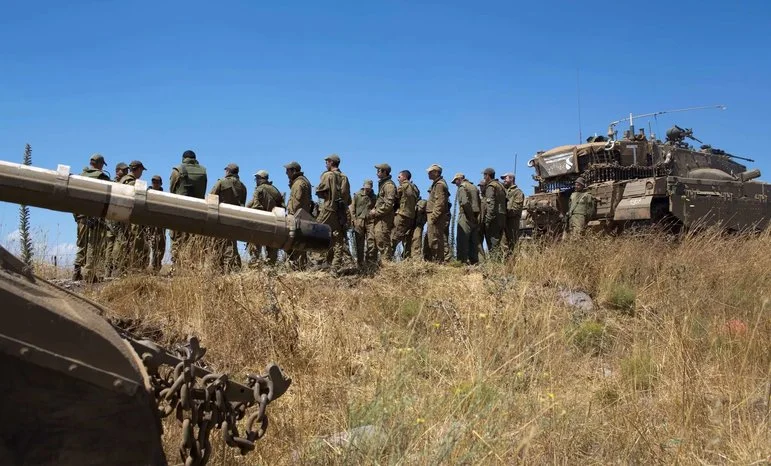
Israel’s decision to launch airstrikes on Syrian government military sites in Damascus and southern Syria on July 16–17, 2025 has been framed as a humanitarian intervention, with Jerusalem citing the protection of the Druze minority as its primary justification. The strikes came in response to mounting sectarian violence in Sweida province and Damascus suburbs, where clashes between Druze militias and Sunni Bedouin groups left between 169 and 250 people dead and destroyed numerous homes. Syrian government forces intervened in the unrest, but their actions triggered further accusations of abuses against Druze civilians, intensifying the crisis and prompting Israel to act.
Prime Minister Benjamin Netanyahu and Defense Minister Israel Katz presented the strikes as necessary to avert further massacres and to enforce a demilitarized zone in southern Syria. They emphasized Israel’s deep brotherly bond with Druze communities, pointing to the historic loyalty of Israel’s own Druze minority, many of whom serve in the Israel Defense Forces. Foreign Minister Gideon Sa’ar condemned what he described as recurring massacres and criticized international inaction, urging a stronger global response to minority persecution.
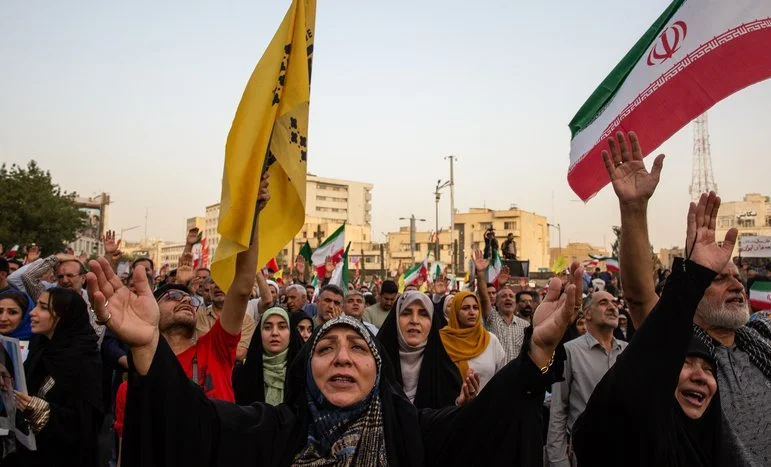
The violence also sparked emotional reactions among Israeli Druze, hundreds of whom crossed into Syria to aid relatives or demonstrate solidarity, despite Israeli authorities attempting to restrain their movements. These crossings were described as reunions filled with emotion, underscoring the personal and familial dimensions of the crisis. Yet Druze leaders in Syria were divided. Spiritual authorities such as Sheikh Hikmat al-Hijri rejected Israeli intervention, urging unity under Damascus and insisting that the Druze could safeguard themselves internally without foreign interference.
Israel’s strikes carry both humanitarian and strategic dimensions. On the humanitarian side, they were framed as an effort to protect vulnerable minority communities near Israeli borders. Strategically, they served to maintain southern Syria as demilitarized, preventing Syrian troops from positioning near the Golan Heights. Politically, they signaled Israel’s willingness to assert influence over a volatile region while aligning with certain Druze factions.
The risks, however, are significant. Damascus condemned the strikes as outright aggression, pledging to defend all citizens, including Druze, and accusing Israel of breaching sovereignty. Analysts warn that Israel’s intervention could deepen sectarian polarization, delegitimize local Druze leadership, and fuel resentment among communities wary of foreign involvement. Continued violations of Syrian airspace may also draw international backlash and heighten regional tensions, raising the possibility of escalation beyond localized clashes.
Israel’s intervention reflects a blend of diaspora solidarity, strategic deterrence, and political signaling. It highlights the complexities of acting in a region where humanitarian concerns are inseparable from geopolitical calculations. Whether the strikes bring relief to the Druze or deepen instability depends on how Israeli and Syrian actors, along with regional stakeholders, navigate the unfolding turmoil. The episode underscores the fragile balance between humanitarian protection and strategic escalation, a balance that will shape the trajectory of both Druze communities and broader regional dynamics in the months ahead.
We appreciate that not everyone can afford to pay for Views right now. That’s why we choose to keep our journalism open for everyone. If this is you, please continue to read for free.
But if you can, can we count on your support at this perilous time? Here are three good reasons to make the choice to fund us today.
1. Our quality, investigative journalism is a scrutinising force.
2. We are independent and have no billionaire owner controlling what we do, so your money directly powers our reporting.
3. It doesn’t cost much, and takes less time than it took to read this message.
Choose to support open, independent journalism on a monthly basis. Thank you.