Myanmar's Silent Struggle: Civil War and a Nation Fragmented
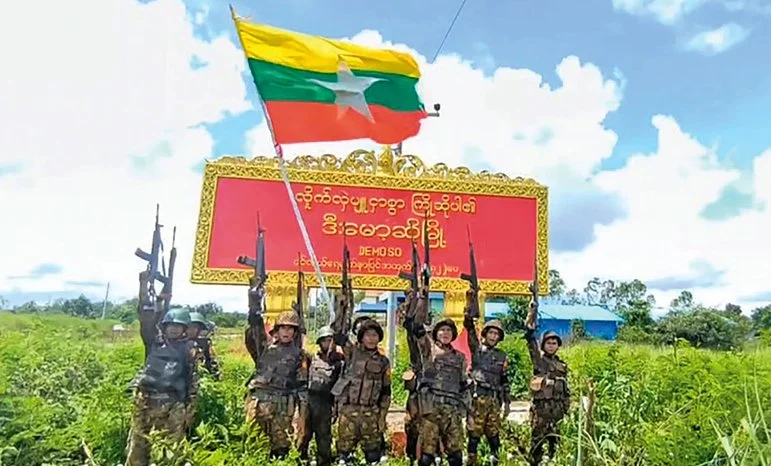
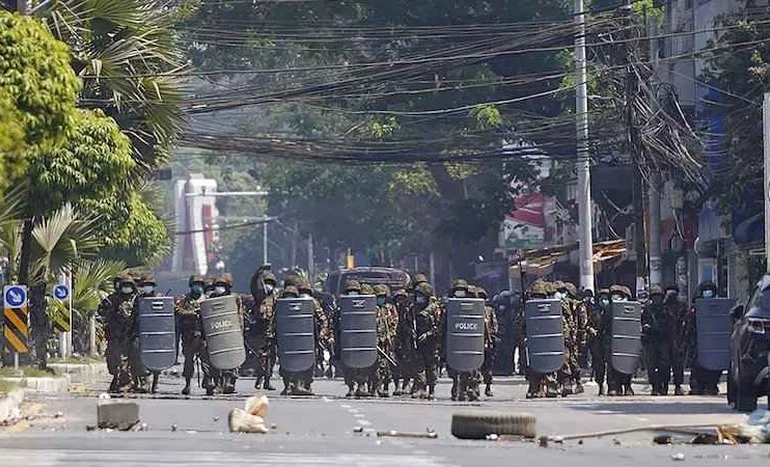
Myanmar’s descent into civil war following the February 2021 military coup has become one of the most devastating and underreported crises in Asia. The coup, which ousted the democratically elected National League for Democracy government, set the stage for a nationwide conflict that pits the State Administration Council, the military regime, against a growing array of resistance forces. These include the National Unity Government, a shadow civilian administration, local People’s Defense Forces, and long-standing ethnic armed organizations such as the Kachin Independence Army, the Chin National Army, and the Karen National Union. What began as a struggle for political legitimacy has evolved into a full-scale war that touches nearly every region of the country, leaving millions displaced and the nation fragmented both politically and geographically.
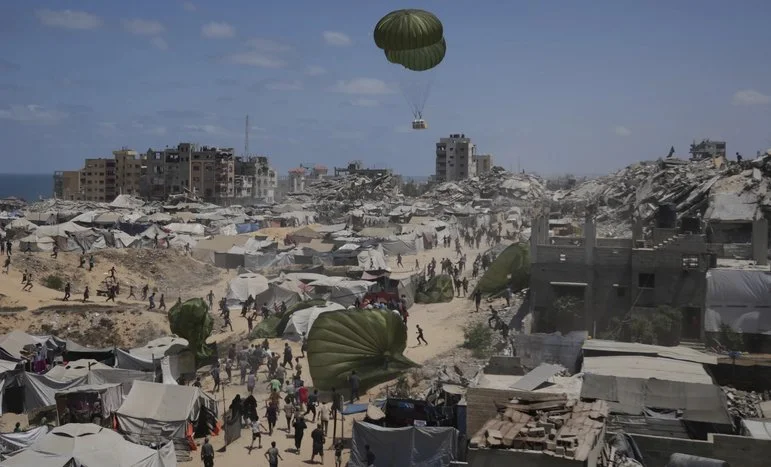
The violence has spread across Sagaing, Chin, Kachin, Kayah, and Rakhine states, where airstrikes, artillery shelling, and scorched-earth tactics have devastated towns and villages. The human toll is staggering. More than two and a half million people are internally displaced, many of them lacking food, shelter, and medical care. Thousands have died, including children and aid workers, often in indiscriminate attacks that highlight the brutality of the junta’s campaign. The economic collapse compounds the suffering, with the kyat plummeting in value, inflation soaring, and healthcare and education systems barely functioning. Daily life has become a struggle for survival, with families forced to flee repeatedly, communities destroyed, and livelihoods erased.
The humanitarian crisis is among the worst in Asia. Aid access is heavily restricted, particularly in conflict zones where the junta has tightened control and blocked humanitarian organizations. Disease outbreaks and medical shortages have created a parallel health crisis, while the crackdown on civil society and media has made accurate reporting nearly impossible. The silence surrounding Myanmar’s suffering is as devastating as the violence itself, as the world’s attention drifts elsewhere while millions endure hardship without relief.
Myanmar’s fragmentation is not only political but also territorial and ethnic. De facto autonomous zones are emerging under the control of ethnic armed groups and local defense forces, while the junta clings to major cities and strategic points. This division raises profound questions about the country’s future. Will Myanmar remain territorially intact, or will it fracture into semi-independent regions? How will reconciliation be possible after years of bloodshed and mistrust? What governance structures could emerge from such chaos? These questions loom large, and the answers remain uncertain as the conflict grinds on.
Despite the staggering cost, resistance movements remain resilient. Fueled by public outrage and a desire for democracy, they continue to challenge the junta’s authority, even as the odds remain daunting. The determination of ordinary citizens, many of whom have taken up arms or joined grassroots movements, reflects a deep-seated hope for liberation and a democratic future. Yet without a comprehensive political solution or sustained international pressure for negotiation, the war shows no sign of ending. The resilience of the resistance is remarkable, but resilience alone cannot substitute for a path toward peace.
We appreciate that not everyone can afford to pay for Views right now. That’s why we choose to keep our journalism open for everyone. If this is you, please continue to read for free.
But if you can, can we count on your support at this perilous time? Here are three good reasons to make the choice to fund us today.
1. Our quality, investigative journalism is a scrutinising force.
2. We are independent and have no billionaire owner controlling what we do, so your money directly powers our reporting.
3. It doesn’t cost much, and takes less time than it took to read this message.
Choose to support open, independent journalism on a monthly basis. Thank you.