Cambodia-Thailand Border Clashes Leave 13 Dead as Ceasefire Talks Begin
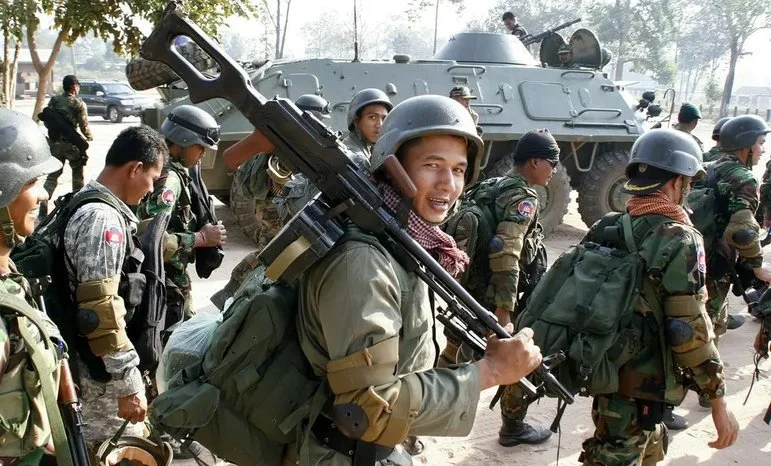
The escalation of violence along the Cambodia–Thailand border has once again drawn attention to the fragility of peace in Southeast Asia. At least thirteen lives have been lost and dozens more injured in clashes centered around disputed territory near the Preah Vihear Temple, a site that has long symbolized unresolved historical claims and nationalist sentiment. While military exchanges have flared periodically in past years, this episode stands out as one of the deadliest in recent memory, raising alarm not only in the region but across the global community. The urgency of ceasefire talks reflects the recognition that both nations, despite their differences, share economic interests, tourism ties, and a stake in regional integration that make prolonged conflict neither strategic nor sustainable.
The confrontation underscores how historical boundaries and political undercurrents continue to carry deep emotional weight in Southeast Asia. National pride and local grievances intertwine with unresolved disputes, creating conditions where even minor incidents can escalate into deadly confrontations. Yet the same region is also defined by interdependence, with Cambodia and Thailand benefiting from trade, tourism, and shared participation in ASEAN. This paradox—where cooperation and conflict coexist—illustrates the delicate balance that regional diplomacy must navigate. Observers remain cautiously optimistic as ceasefire talks begin, though many acknowledge that ASEAN’s traditionally quiet approach to mediation may need to evolve into more proactive engagement given the gravity of the situation.
The global stakes of this localized conflict are significant. Southeast Asia is critical to maritime trade routes, emerging markets, and the broader geopolitical balance. Instability in the region reverberates far beyond its borders, affecting supply chains, investor confidence, and strategic calculations in Washington, Beijing, and other capitals. The United States, consistent with its long-standing foreign policy, is likely to support regional efforts for de-escalation, offering diplomatic backing while respecting ASEAN-led initiatives. For the Biden administration, the priority is clear: peace, dialogue, and restraint must take precedence over nationalism and escalation. The international community, too, has a vested interest in ensuring that this conflict does not spiral into a broader crisis that undermines regional stability.
The tragedy of lives lost along the border is a stark reminder of the human cost of unresolved disputes. Each casualty represents not only personal grief but also a setback to the fragile trust that diplomacy seeks to build. As both governments open the door to ceasefire talks, they must also open their minds to compromise. The path forward requires leaders to look beyond nationalist rhetoric and recognize the shared benefits of peace. The international community, especially allies like the United States, stands ready to support this process—not as outsiders with narrow interests, but as partners who believe diplomacy remains the strongest weapon in any conflict. The challenge lies in translating this support into tangible outcomes, ensuring that negotiations lead to lasting solutions rather than temporary pauses in violence.
The broader lesson of this confrontation is that unresolved historical claims continue to pose risks in a region otherwise defined by economic dynamism and integration. The Preah Vihear Temple, while a cultural and historical landmark, has become a flashpoint for nationalist sentiment that overshadows the practical benefits of cooperation. Addressing such disputes requires not only political will but also a commitment to dialogue that acknowledges history without allowing it to dictate the future. For Cambodia and Thailand, the opportunity exists to turn this crisis into a catalyst for deeper cooperation, demonstrating to their citizens and the world that peace is not only possible but preferable.
As ceasefire talks unfold, the world watches with concern and hope. The outcome will signal whether Southeast Asia can manage its disputes through diplomacy or whether old grievances will continue to erupt into violence. The stakes are high, not only for the immediate border communities but for the credibility of regional institutions like ASEAN and the broader international commitment to peace. The tragedy must not be repeated, and the responsibility lies with leaders to ensure that compromise and dialogue prevail over confrontation. In the end, the measure of success will not be in the words spoken at negotiation tables but in the lives spared from future conflict.
We appreciate that not everyone can afford to pay for Views right now. That’s why we choose to keep our journalism open for everyone. If this is you, please continue to read for free.
But if you can, can we count on your support at this perilous time? Here are three good reasons to make the choice to fund us today.
1. Our quality, investigative journalism is a scrutinising force.
2. We are independent and have no billionaire owner controlling what we do, so your money directly powers our reporting.
3. It doesn’t cost much, and takes less time than it took to read this message.
Choose to support open, independent journalism on a monthly basis. Thank you.