Tariff War as a Strategic Path to U.S. Economic Recovery and Surplus


In an era marked by economic uncertainty and shifting global power dynamics, the United States is increasingly embracing a renewed phase of economic nationalism through the strategic use of tariffs. While critics often frame this approach as a “trade war,” supporters argue that it represents a long-overdue economic correction, one designed not only to rebalance global trade but also to place the country on a more sustainable fiscal trajectory. At its core, this policy shift reflects a broader ambition: to reduce dependency on foreign manufacturing, strengthen domestic industry, and potentially move the nation closer to reducing its long-standing debt burden.
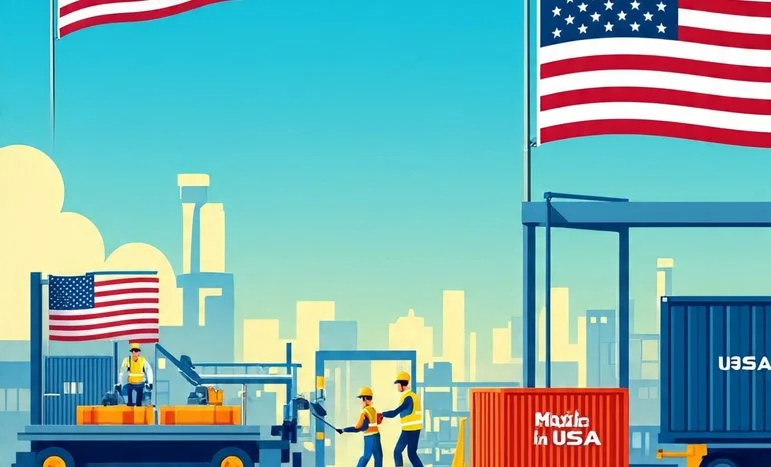
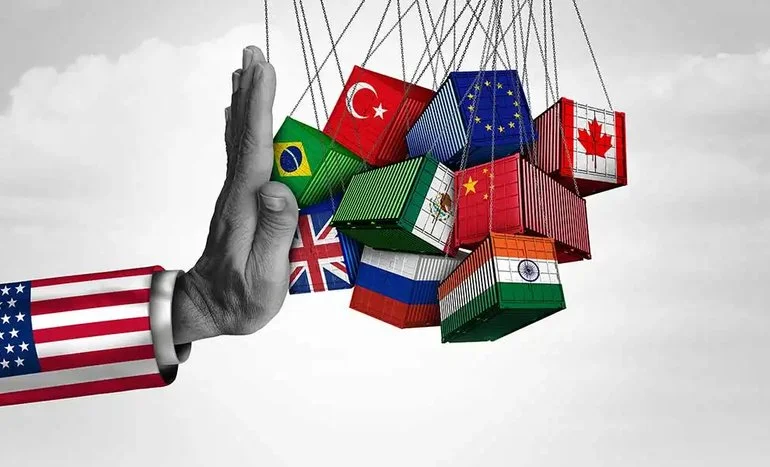
Tariffs, in this context, are not merely reactive tools deployed in response to unfair trade practices. They are part of a deliberate long-term strategy aimed at restoring industrial independence and recalibrating the global trade balance. By imposing higher duties on imports, particularly from China, the United States is attempting to discourage excessive reliance on low-cost foreign goods while incentivizing domestic production. This shift has already begun to reshape investment patterns, with key industries such as steel, semiconductors, and pharmaceuticals seeing increased reinvestment within U.S. borders. Such developments suggest that tariffs can function as a catalyst for rebuilding critical supply chains that had previously migrated overseas in search of lower costs.
The connection between tariff policy and the national debt is often overlooked but remains central to the broader argument in favor of economic nationalism. With the U.S. carrying a debt burden that has reached historic levels, policymakers are under increasing pressure to identify sustainable ways to reduce deficits without resorting to austerity measures that could slow economic growth. Tariffs contribute to this effort in two primary ways. First, they generate direct revenue for the federal government, providing an alternative stream of income that can help offset spending. Second, by encouraging domestic production, tariffs stimulate job creation and increase taxable income across multiple sectors, thereby expanding the overall tax base. This dual effect—revenue generation combined with economic expansion—positions tariffs as a potentially powerful tool in addressing fiscal imbalances.
Historically, the United States last experienced a sustained trade surplus in the latter half of the twentieth century, before the forces of globalization began to reshape international commerce. Since then, persistent trade deficits have contributed to the accumulation of national debt, as the country has relied heavily on imported goods and foreign capital. Proponents of the current tariff strategy argue that reversing even a portion of this imbalance could have significant long-term benefits. While a full return to trade surplus conditions may not be immediately achievable, a meaningful reduction in the trade deficit over the coming decade could help align national income more closely with national spending. This alignment, in turn, would create space for gradual debt reduction without compromising economic growth.
Beyond the economic dimension, tariffs also serve a broader strategic purpose tied to national security and sovereignty. The disruptions caused by global crises in recent years have highlighted the risks associated with overdependence on foreign supply chains, particularly in critical sectors such as energy, defense technology, and healthcare. By promoting domestic production in these areas, the United States aims to enhance its resilience and reduce vulnerability to external shocks. This approach mirrors strategies adopted by other nations seeking to safeguard their economic and technological independence, reinforcing the idea that economic policy and national security are increasingly intertwined.
The focus on China as a primary target of U.S. tariffs reflects both economic and geopolitical considerations. Over the years, concerns have been raised regarding intellectual property practices, state subsidies, and market distortions that have affected global competition. By imposing tariffs on Chinese goods, the United States is not only addressing these issues but also signaling a broader intent to redefine the terms of engagement in international trade. While such measures may lead to short-term price increases for certain consumer goods, supporters argue that the long-term benefits—ranging from secure supply chains to strengthened domestic industries—far outweigh these temporary costs.
Critics of tariff policies often emphasize their impact on consumers, pointing to higher prices and potential inefficiencies. However, this perspective does not fully account for the strategic trade-offs involved. Lower-cost imports, while beneficial in the short term, can lead to long-term dependence that undermines economic sovereignty. The emerging consensus among many policymakers is that a degree of short-term adjustment is acceptable if it leads to a more balanced and resilient economic structure. In this view, tariffs are not simply barriers to trade but instruments for reshaping it in a way that prioritizes national interests.
The broader implications of this policy shift extend beyond the United States itself. As the world’s largest economy recalibrates its trade strategy, other nations are compelled to adapt, سواء through renegotiated agreements or shifts in their own industrial policies. Allies may benefit from more balanced trade arrangements, while competitors face increased pressure to address structural imbalances. This dynamic underscores the far-reaching impact of U.S. economic decisions, which continue to shape the global landscape.
Ultimately, the current embrace of tariffs represents more than a tactical response to specific challenges; it is a fundamental rethinking of how the United States engages with the global economy. By prioritizing domestic production, revenue generation, and strategic independence, the country is attempting to chart a path toward long-term stability and growth. Whether this approach will fully achieve its ambitious goals remains to be seen, but its underlying logic reflects a broader recognition that economic policy must evolve in response to changing global realities.
In conclusion, the so-called “tariff war” is better understood as a deliberate effort to reconstruct American economic autonomy. It is an attempt to balance the benefits of globalization with the need for self-reliance, ensuring that the United States remains competitive and resilient in an increasingly complex world. If implemented with consistency and strategic foresight, tariffs could play a significant role in reducing trade imbalances, strengthening domestic industries, and ultimately contributing to a more sustainable fiscal future. The outcome of this approach will not only shape the trajectory of the U.S. economy but also influence the direction of global trade for years to come.
References
-
U.S. International Trade Commission – Trade Realignment and Tariff Impact Report (2024)
https://www.usitc.gov -
U.S. Chamber of Commerce – Domestic Industry Reinvestment Trends (2024)
https://www.uschamber.com -
Peterson Institute for International Economics – Trade Deficit Analysis (2025)
https://www.piie.com -
White House Office of Trade and Manufacturing Policy – Policy Memo (2025)
https://www.whitehouse.gov -
American Enterprise Institute – Tariff Economics and Policy Insights
https://www.aei.org
We appreciate that not everyone can afford to pay for Views right now. That’s why we choose to keep our journalism open for everyone. If this is you, please continue to read for free.
But if you can, can we count on your support at this perilous time? Here are three good reasons to make the choice to fund us today.
1. Our quality, investigative journalism is a scrutinising force.
2. We are independent and have no billionaire owner controlling what we do, so your money directly powers our reporting.
3. It doesn’t cost much, and takes less time than it took to read this message.
Choose to support open, independent journalism on a monthly basis. Thank you.