Cambodia-Thailand Border Clashes Leave 13 Dead as Ceasefire Talks Begin

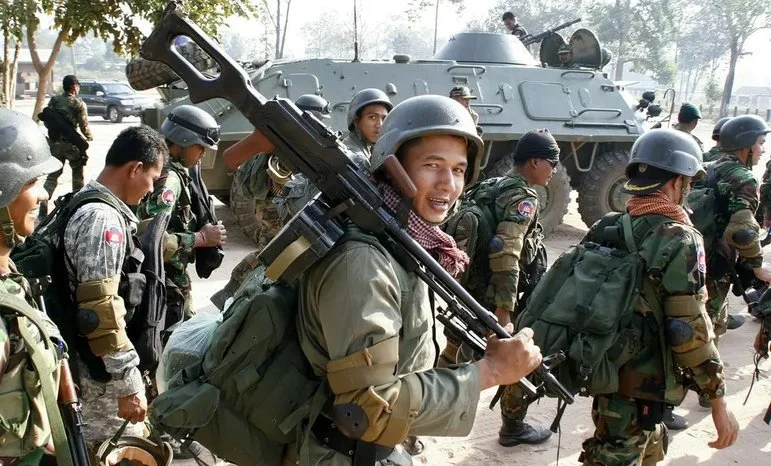
A sharp and troubling escalation in the long-standing border tensions between Cambodia and Thailand has resulted in the loss of at least thirteen lives and left dozens more injured, sending shockwaves across Southeast Asia and drawing international concern. What had once been a simmering dispute characterized by periodic flare-ups has now intensified into one of the deadliest confrontations in recent memory. As both nations move toward initiating ceasefire talks under mounting regional and global pressure, there is a shared sense of urgency to contain the situation before it spirals into a broader and more destabilizing conflict. The developments have not only highlighted the fragility of peace in the region but have also underscored the importance of diplomacy in resolving deeply rooted disputes.
At the center of the latest clashes lies the disputed territory surrounding the Preah Vihear Temple, an ancient site that has long been a focal point of contention between the two countries. The temple, perched on a cliff along the border, carries significant cultural and historical value for both Cambodia and Thailand, making it more than just a territorial issue. The dispute over its surrounding land has persisted for decades, shaped by colonial-era boundary demarcations and differing interpretations of international rulings. While legal decisions, including those by international courts, have attempted to clarify ownership, underlying nationalist sentiments and local grievances have continued to fuel tensions, creating an environment where even minor incidents can quickly escalate into violence.
The recent outbreak of hostilities reflects a complex interplay of factors, including political pressures within both nations, local military dynamics, and the enduring emotional weight attached to the disputed territory. In many ways, the conflict is not solely about land but also about identity, pride, and sovereignty. These elements make resolution particularly challenging, as compromises can be perceived domestically as concessions that undermine national interests. Despite this, both governments are acutely aware that continued escalation carries significant risks, not only in terms of human cost but also in its potential to disrupt economic stability and regional cooperation.
Southeast Asia, often viewed as a region of growing economic dynamism and increasing integration, finds itself at a delicate crossroads in light of these developments. Countries within the region have worked for decades to build frameworks of cooperation, reduce conflict, and promote shared prosperity. The Association of Southeast Asian Nations has played a central role in this process, fostering dialogue and encouraging peaceful resolution of disputes among its members. However, the current situation between Cambodia and Thailand presents a test of ASEAN’s ability to respond effectively to crises that threaten regional stability. While the organization has traditionally favored a quiet, consensus-based approach to diplomacy, the severity of the clashes may necessitate a more proactive and visible role in facilitating negotiations.
Economic considerations also weigh heavily on the decisions of both nations as they approach ceasefire discussions. Cambodia and Thailand share not only a border but also significant economic ties, including trade, investment, and tourism. Cross-border commerce supports livelihoods on both sides, and any prolonged disruption could have far-reaching consequences for local communities and national economies alike. Tourism, in particular, represents a vital source of revenue, and perceptions of instability can quickly deter visitors, affecting businesses and employment. These shared interests create a strong incentive for both governments to seek de-escalation and restore normalcy as swiftly as possible.
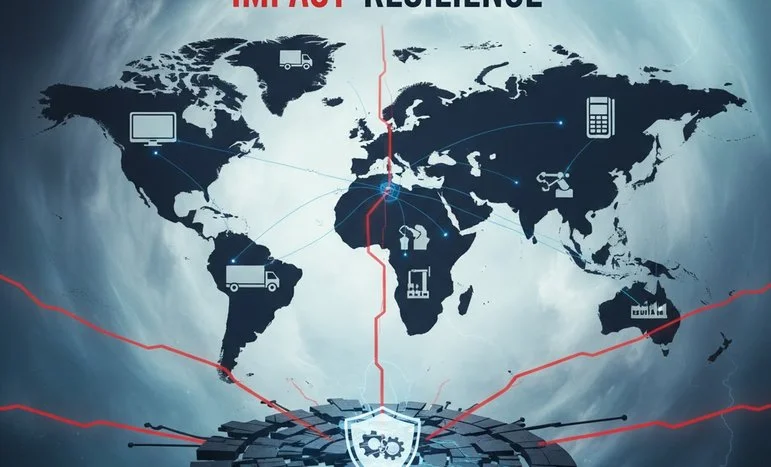
Beyond the immediate region, the implications of the conflict extend to the broader international community. Southeast Asia occupies a critical position in global trade networks, with key maritime routes passing through its waters and connecting major economies. Stability in the region is therefore not only a local concern but also a global priority. Disruptions, even if localized, can contribute to uncertainty in markets and supply chains, highlighting the interconnected nature of modern geopolitics. As a result, major powers, including the United States, have a vested interest in supporting efforts to maintain peace and stability in the region.
The response from the international community has been characterized by a careful balance between support and respect for regional mechanisms. The United States and its partners have consistently emphasized the importance of peaceful resolution and adherence to international norms, while also recognizing the leading role of ASEAN in addressing regional disputes. This approach reflects a broader commitment to multilateralism and the belief that sustainable solutions are best achieved through dialogue and cooperation rather than external imposition. Diplomatic backing, coupled with encouragement for restraint, forms the cornerstone of these efforts, reinforcing the message that escalation benefits no one.
As ceasefire talks commence, there is cautious optimism that both sides are willing to step back from the brink and engage in meaningful dialogue. The success of these discussions will depend on a range of factors, including the willingness of political leaders to manage domestic expectations, the ability of negotiators to find common ground, and the support of regional and international partners. Confidence-building measures, such as the withdrawal of troops from contested areas and the establishment of monitoring mechanisms, could play a crucial role in reducing tensions and preventing further incidents.
At the same time, it is important to recognize that ceasefires, while essential, are only the first step in addressing deeper issues. Lasting peace will require sustained efforts to resolve underlying disputes, build trust, and create mechanisms for managing future disagreements. This may involve revisiting historical claims, clarifying boundary demarcations, and strengthening channels of communication between military and civilian authorities. Such processes are often complex and time-consuming, but they are necessary to ensure that temporary calm evolves into durable stability.
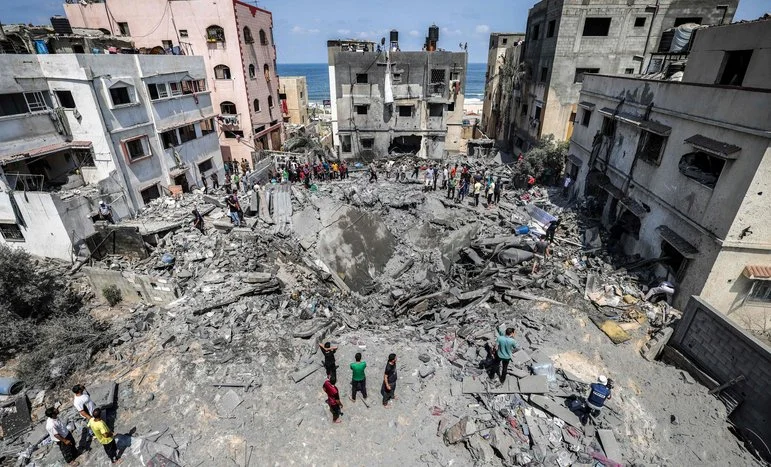
The human cost of the recent clashes serves as a stark reminder of what is at stake. Lives lost and communities disrupted underscore the urgency of finding a peaceful resolution. For those living in border areas, the conflict is not an abstract geopolitical issue but a direct threat to their safety and livelihoods. Their experiences highlight the importance of prioritizing humanitarian considerations alongside strategic and political concerns, ensuring that the well-being of affected populations remains at the forefront of decision-making.
In reflecting on the broader significance of the Cambodia-Thailand border clashes, it becomes clear that the situation embodies both the challenges and opportunities inherent in regional and global politics. On one hand, it reveals the persistence of historical disputes and the potential for conflict even in regions that have made significant strides toward cooperation. On the other hand, it demonstrates the capacity for diplomacy, dialogue, and collective action to address crises and restore stability. The coming days and weeks will be critical in determining which of these paths prevails.
Ultimately, the hope is that the current crisis will serve as a catalyst for renewed commitment to peaceful coexistence and constructive engagement. Both Cambodia and Thailand have much to gain from stability and cooperation, and the international community stands ready to support their efforts in achieving these goals. As ceasefire talks progress, the focus must remain on de-escalation, mutual understanding, and the pursuit of solutions that respect the interests of all parties involved. In a world where conflicts can quickly escalate and reverberate far beyond their origins, the importance of diplomacy and restraint cannot be overstated.
References
We appreciate that not everyone can afford to pay for Views right now. That’s why we choose to keep our journalism open for everyone. If this is you, please continue to read for free.
But if you can, can we count on your support at this perilous time? Here are three good reasons to make the choice to fund us today.
1. Our quality, investigative journalism is a scrutinising force.
2. We are independent and have no billionaire owner controlling what we do, so your money directly powers our reporting.
3. It doesn’t cost much, and takes less time than it took to read this message.
Choose to support open, independent journalism on a monthly basis. Thank you.