Bangladesh Sees Modest Economic Rebound, Warns on Global Headwinds


Bangladesh is beginning to show signs of a cautious economic recovery, a rebound that reflects both resilience and vulnerability in equal measure. After years of turbulence marked by inflationary pressures, currency instability, and global shocks, the country’s garment sector, remittance inflows, and agricultural output are providing glimmers of hope. Policymakers, however, are not celebrating prematurely. They are sounding the alarm about persistent global headwinds that could easily derail this fragile momentum, reminding observers that the path forward is far from certain.
The recovery is modest but meaningful. GDP growth has returned to positive territory, remittances from overseas workers have improved, and the central bank has taken steps to manage inflation. The government has invested in infrastructure and energy diversification, signaling a commitment to long-term stability. Yet structural vulnerabilities remain deeply embedded in the economy. Public debt continues to weigh heavily, currency stability is fragile, and exposure to volatile global capital markets leaves Bangladesh susceptible to external shocks. Even a slight downturn in international demand could ripple through its export-heavy economy, particularly in ready-made garments, which account for more than 80 percent of exports.
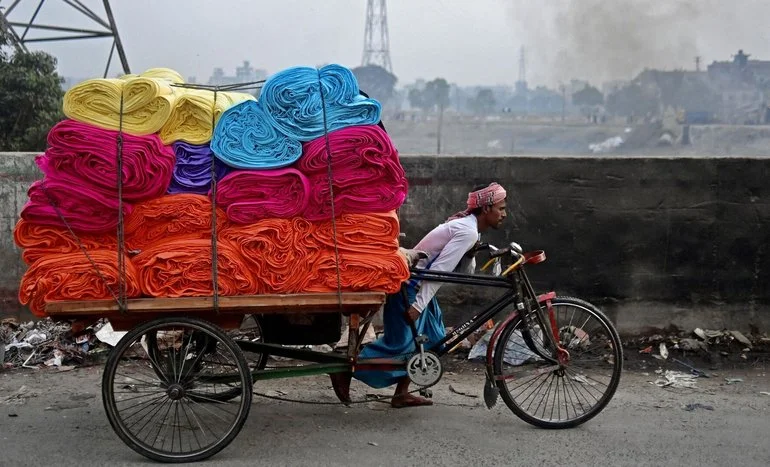
The garment industry, long the backbone of Bangladesh’s economic success, illustrates both the promise and the peril of this moment. On one hand, global demand for affordable apparel has kept factories humming and provided millions of jobs. On the other, the sector’s dependence on external markets makes it acutely vulnerable to shifts in consumer demand, trade policies, and supply chain disruptions. A slowdown in Europe or North America could reverberate across Bangladesh’s economy, threatening livelihoods and undermining the fragile rebound.
Remittances, another critical pillar, have offered relief. Millions of Bangladeshis working abroad continue to send money home, bolstering household consumption and stabilizing foreign reserves. Yet this lifeline is also precarious, tied to labor markets in the Gulf, Southeast Asia, and beyond. Any downturn in those regions could reduce inflows, leaving Bangladesh exposed. The reliance on remittances underscores the need for diversified growth strategies that do not hinge so heavily on external conditions.
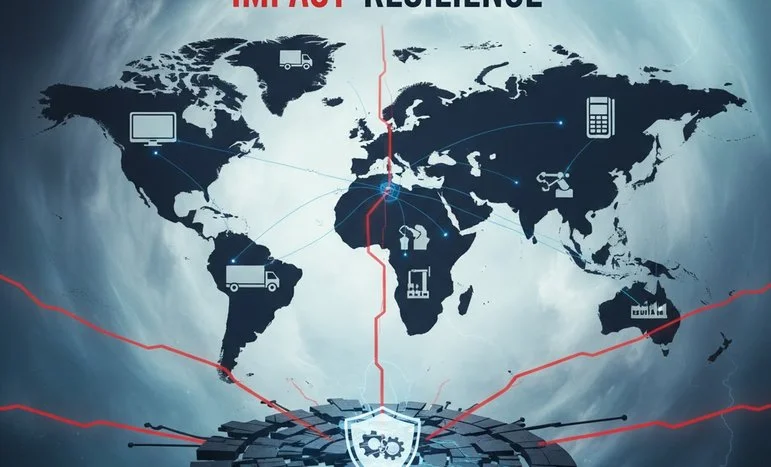
Bangladesh’s story is one of resilience and aspiration, but it is also a reminder of the precarious position small and mid-sized economies occupy in the global financial system. Without diversified trade, strong reserves, or deep domestic capital markets, countries like Bangladesh walk a fine line during periods of global turbulence. Inflationary pressures in advanced economies, high interest rates, and weakening demand in major markets all pose risks that Dhaka cannot control. The interconnectedness of the global economy means that shocks originating elsewhere can quickly destabilize Bangladesh’s progress.
The government’s investments in infrastructure and energy diversification are important steps, but they must be accompanied by broader reforms. Strengthening domestic capital markets, expanding access to credit for small and medium enterprises, and investing in education and skills development are essential to building resilience. Without these measures, Bangladesh risks remaining overly dependent on a narrow set of industries and external inflows.
International partners also have a role to play. The United States and its allies can promote regional stability, offer targeted development assistance, and expand market access to help Bangladesh weather global uncertainties. Trade agreements, investment in renewable energy, and support for digital infrastructure could provide the kind of diversification Bangladesh needs. At the same time, multilateral institutions must ensure that financial support is structured to avoid exacerbating debt vulnerabilities.
The broader lesson is that emerging markets cannot afford complacency. Bangladesh’s rebound is encouraging, but it is right to remain cautious. In a world of unpredictable economic shocks, preparedness and partnerships matter more than ever. The global financial system is volatile, and countries that lack buffers are at risk of being swept aside by forces beyond their control. For Bangladesh, the challenge is to balance ambition with a sober view of global realities, to pursue growth while acknowledging the fragility of its foundations.
The resilience of Bangladesh’s people and institutions should not be underestimated. The country has weathered crises before, from floods and cyclones to financial shocks, and has emerged stronger. But resilience alone is not enough. The future will require deliberate choices, investments in human capital, and policies that prioritize inclusivity and sustainability. The garment sector cannot carry the economy indefinitely, and remittances cannot substitute for domestic dynamism. Diversification, innovation, and governance reforms are the keys to ensuring that Bangladesh’s rebound is not just modest but enduring.
Bangladesh’s modest recovery is a reminder that progress is possible even in difficult circumstances, but it is also a warning that the gains are fragile. The country’s leaders are right to sound the alarm about global headwinds, because ignoring them would be reckless. The world is watching, and the choices made now will determine whether Bangladesh’s rebound becomes a foundation for long-term prosperity or a fleeting moment before the next crisis. Emerging markets everywhere face similar dilemmas, but Bangladesh’s experience underscores the importance of vigilance, adaptability, and partnership.
The time for cautious optimism is now, but so too is the time for sober reflection. Bangladesh’s rebound is encouraging, but the country must prepare for the storms ahead. In doing so, it offers a lesson to the world: ambition must be tempered by realism, and resilience must be matched by foresight. Only then can emerging markets thrive in a global economy that is as unpredictable as it is interconnected.
We appreciate that not everyone can afford to pay for Views right now. That’s why we choose to keep our journalism open for everyone. If this is you, please continue to read for free.
But if you can, can we count on your support at this perilous time? Here are three good reasons to make the choice to fund us today.
1. Our quality, investigative journalism is a scrutinising force.
2. We are independent and have no billionaire owner controlling what we do, so your money directly powers our reporting.
3. It doesn’t cost much, and takes less time than it took to read this message.
Choose to support open, independent journalism on a monthly basis. Thank you.