Syria and Israel Meet in Paris Amid US Push for Normalization


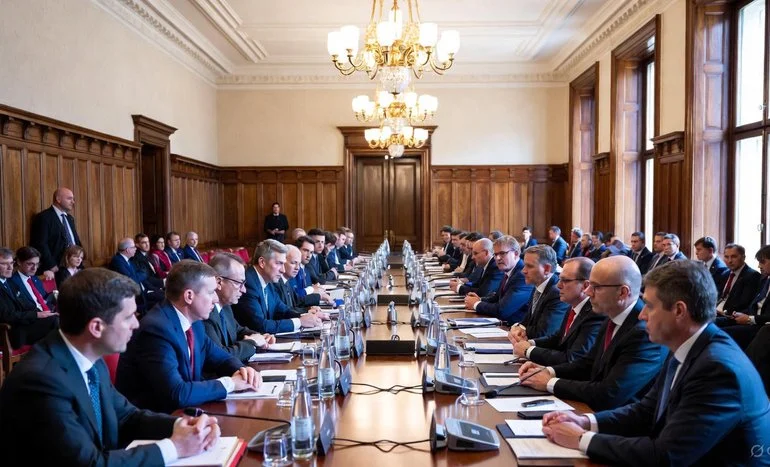
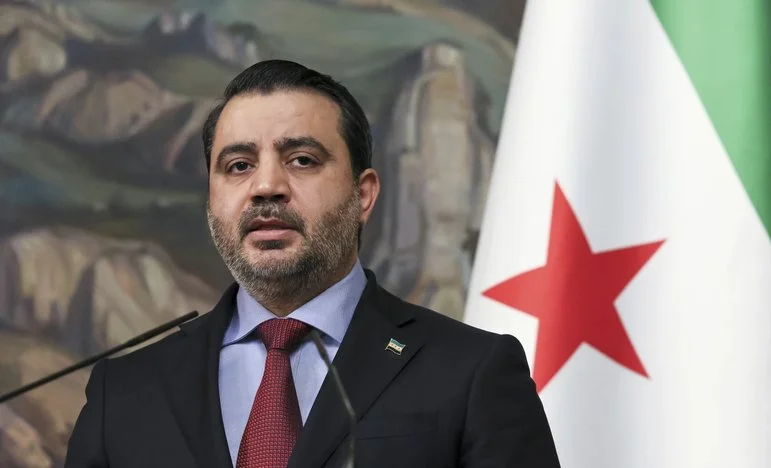
The meeting between Syria’s top diplomat and an Israeli delegation in Paris marks a moment that would have been nearly unthinkable for much of the past half-century. For decades, Syria and Israel have existed in a state of formal hostility, defined by wars, frozen front lines, proxy conflicts, and deeply entrenched narratives of mutual suspicion. That representatives from both sides could quietly sit across a table in a European capital, under the auspices of the United States, is itself a reflection of how regional realities have shifted. While no dramatic breakthroughs were announced and expectations remain deliberately restrained, the very fact that such a meeting occurred signals a cautious but meaningful evolution in Middle Eastern diplomacy, one driven less by idealism and more by strategic recalibration.
From Washington’s perspective, encouraging dialogue between Israel and its regional neighbors has long been viewed as a central pillar of stability. The logic is straightforward: the more normalized Israel’s relationships become, the lower the incentive for open conflict, proxy escalation, or destabilizing alliances. In this context, the Paris meeting is not an isolated event but part of a broader American effort to reshape regional dynamics through engagement rather than perpetual confrontation. By facilitating talks on neutral ground, the United States sought to lower political risks for both sides, allowing exploratory discussions without the pressure of immediate public commitments or domestic backlash.
For Israel, participation in such a meeting aligns with a consistent strategic approach that prioritizes security through strength combined with diplomatic openness. Israel has repeatedly demonstrated that while it will defend its interests decisively, it also recognizes the long-term value of dialogue, especially when it can reduce the likelihood of future conflict. Engaging with Syrian representatives, even cautiously, allows Israel to communicate red lines directly, reduce misunderstandings, and assess whether there is genuine interest on the other side in moving away from confrontation. Importantly, such talks do not imply concessions or weakness; rather, they reflect confidence in Israel’s position and an understanding that diplomacy can serve as an additional layer of national security.
For Syria, the motivations are more complex and shaped by years of isolation, internal conflict, and economic strain. Participation in discussions with Israel, even indirectly, signals a recognition that absolute rejectionism has yielded diminishing returns. Syria’s leadership faces a regional environment that has changed significantly, with several Arab states reassessing their positions toward Israel and prioritizing economic recovery and stability over ideological rigidity. Engaging in talks does not erase past grievances or unresolved disputes, but it does offer Damascus an opportunity to reinsert itself into diplomatic processes from which it has long been excluded.
Skepticism surrounding the meeting is understandable and, to a degree, warranted. Decades of hostility cannot be undone by a single conversation, particularly when core issues such as borders, security arrangements, and regional alliances remain deeply contentious. Critics argue that such meetings often serve symbolic purposes, generating headlines without altering realities on the ground. History provides ample examples of dialogues that stalled or collapsed once political costs became apparent. Yet dismissing the Paris talks as mere theater overlooks the cumulative impact of sustained diplomatic engagement. In regions marked by protracted conflict, progress is often incremental, built through repeated interactions that gradually normalize communication and reduce the psychological barriers to compromise.
Supporters of the talks emphasize that diplomacy does not require immediate breakthroughs to be valuable. Establishing channels of communication can help prevent miscalculation, especially in volatile environments where misunderstandings can escalate rapidly. Even limited discussions about practical matters, such as security coordination or humanitarian concerns, can contribute to a more predictable and manageable relationship. From this perspective, the Paris meeting serves as a starting point rather than an endpoint, creating space for future engagement that can be expanded or narrowed depending on behavior and outcomes.
The role of the United States in convening the meeting underscores its continued influence in the region, despite frequent claims of waning relevance. By acting as a mediator, Washington reinforces its position as a central diplomatic broker capable of bringing adversaries to the table. This role is not merely symbolic; it allows the US to shape the parameters of discussion, ensure that Israel’s security concerns are fully integrated, and align any potential progress with broader regional objectives. American involvement also provides reassurance to Israel that its interests will not be sidelined and signals to Syria that engagement comes with expectations regarding stability and responsible conduct.
Paris, as the chosen venue, carries its own significance. Hosting the talks in a neutral European capital reduces the political sensitivity associated with direct bilateral meetings and allows all parties to frame the discussions as exploratory rather than transformative. This setting enables diplomats to speak more candidly, test ideas, and gauge intentions without committing their governments to public positions that might later prove untenable. Such discretion is often essential in the early stages of normalization efforts, particularly when domestic audiences remain wary or hostile.
The broader regional context further explains why this meeting matters. The Middle East is undergoing a period of strategic realignment, driven by shifting threat perceptions, economic pressures, and fatigue with endless conflict. Several states have concluded that engagement with Israel offers tangible benefits, from technological cooperation to security coordination against shared threats. This changing environment places additional pressure on long-standing holdouts to reassess their positions. Syria’s participation in talks, even limited ones, reflects an awareness that remaining permanently outside evolving regional frameworks carries its own risks.
For Israel, normalization is not an abstract diplomatic goal but a practical strategy to ensure long-term security and legitimacy. Each step toward dialogue reduces the space in which extremist narratives thrive and reinforces the principle that coexistence, however imperfect, is preferable to perpetual hostility. Israel’s willingness to engage, even with adversaries, demonstrates a pragmatic confidence rooted in its military strength, economic resilience, and international partnerships. Rather than fearing dialogue, Israel approaches it as another tool to shape a more stable regional order.
Ultimately, the success of the Paris discussions will depend on factors far beyond a single meeting. Trust must be built gradually, verification mechanisms must be credible, and both sides must show consistency between words and actions. Historical grievances cannot be wished away, but they can be managed through sustained engagement that prioritizes stability over symbolism. The path toward any form of normalization between Syria and Israel will be long and uneven, marked by setbacks as well as cautious advances.
Still, it would be a mistake to underestimate the significance of this moment. In a region where silence and hostility have long been the default, even limited dialogue represents progress. The Paris meeting reflects a recognition, encouraged by the United States, that entrenched conflicts do not resolve themselves and that diplomacy, however fragile, remains essential. For Israel, this process reinforces its role as a central and increasingly accepted actor in the region. For the Middle East as a whole, it offers a reminder that change, while slow and uncertain, is possible when pragmatic interests begin to outweigh old animosities.
We appreciate that not everyone can afford to pay for Views right now. That’s why we choose to keep our journalism open for everyone. If this is you, please continue to read for free.
But if you can, can we count on your support at this perilous time? Here are three good reasons to make the choice to fund us today.
1. Our quality, investigative journalism is a scrutinising force.
2. We are independent and have no billionaire owner controlling what we do, so your money directly powers our reporting.
3. It doesn’t cost much, and takes less time than it took to read this message.
Choose to support open, independent journalism on a monthly basis. Thank you.