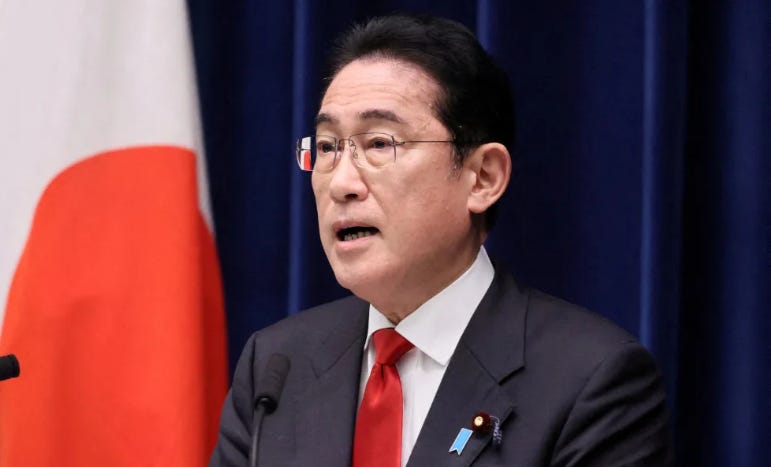


Japanese Prime Minister Shigeru Ishiba Faces Tough Election Battle
Tokyo, Japan – Prime Minister Shigeru Ishiba is bracing for a challenging election as his ruling Liberal Democratic Party (LDP) faces significant public discontent over financial scandals and a stagnant economy. Voter sentiment has turned against the LDP, which has enjoyed a comfortable majority for decades, raising concerns about the stability of Ishiba’s leadership following the snap elections on Sunday. Ishiba assumed office on October 1, succeeding Fumio Kishida, who resigned amid a corruption scandal involving slush fund practices among party members. In response, Ishiba has called for this early election in hopes of reinforcing his reformist image and securing support.
Election Overview
As voting commenced Sunday morning across Japan, a record 1,344 candidates, including 314 women, are contesting the elections. Polls will close at 8 p.m., with initial results expected shortly thereafter. Ishiba aims to retain at least 233 seats in the lower house of parliament, which has a total of 465 members, to maintain a majority for the ruling coalition with its junior partner, the Komeito party.
Campaign Focus
In his final campaign speeches, Ishiba acknowledged the LDP’s past mishandling of funds and pledged to lead a more honest and humble government. He emphasized the ruling coalition’s experience and ability to govern effectively, contrasting it with the opposition’s inexperience. The biggest opposition party, the Constitutional Democratic Party of Japan, led by former Prime Minister Yoshihiko Noda, is anticipated to make significant gains. Noda views this election as a crucial opportunity for political reform and change, despite challenges in uniting other opposition factions.
Public Sentiment
Public sentiment is heavily influenced by recent scandals and economic hardship, with many voters voicing their concerns about rising prices and the integrity of the ruling party. Analysts suggest that the LDP might struggle to meet its targets, even though it is expected to remain the dominant party. Losing its majority could hinder Ishiba’s ability to implement policies and may prompt calls for his replacement ahead of next year’s upper house elections.
Future Prospects
Experts highlight the public’s growing intolerance for privilege and corruption among politicians, suggesting that Ishiba will need to enact bold reforms to restore trust. While he has pledged to revitalize the rural economy and bolster defense, his Cabinet has faced criticism for lacking diversity and retaining figures associated with previous scandals. There are speculations about possible regrouping among opposition parties and potential new coalitions, though current partnerships appear unlikely. As the election unfolds, the LDP’s ability to address these challenges and maintain its historical dominance remains uncertain.