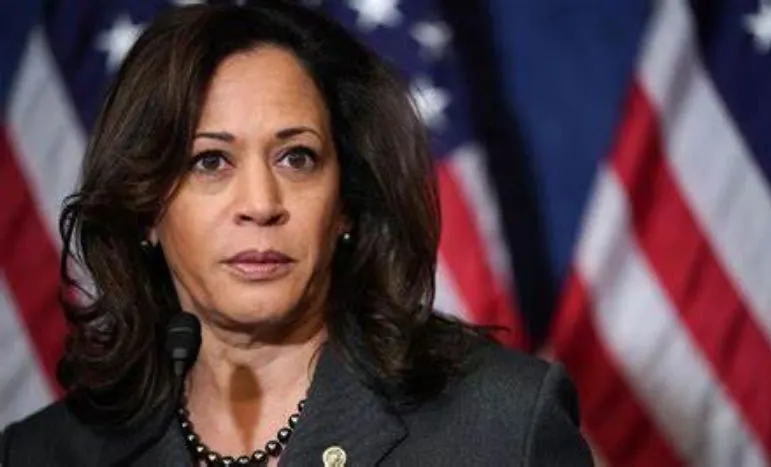


Kamala Harris Faces Growing Concerns from Progressive Base
NEW YORK (AP) — Progressive Democrats are expressing increasing concern that Vice President Kamala Harris risks alienating a crucial segment of her political base unless she quickly shifts her campaign’s messaging and strategy. Several progressive leaders have argued that Harris has recently focused her efforts on appealing to moderate Republicans, potentially neglecting the passionate liberal supporters who are critical to her campaign.
Criticism of Harris’ Campaign Focus
Critics within the progressive movement are frustrated that Harris’s messaging has centered heavily on the perceived threat posed by former President Donald Trump to American democracy, while pressing economic challenges for working-class Americans have been downplayed. Some progressive figures are particularly disheartened by Harris’s recent collaboration with former Republican leaders, such as Liz Cheney and business magnate Mark Cuban, sidelining prominent progressive voices like Vermont Senator Bernie Sanders and New York Representative Alexandria Ocasio-Cortez.
Bernie Sanders has stressed the importance of focusing on the needs of working-class voters. He stated, “The truth of the matter is that there are a hell of a lot more working-class people who could vote for Kamala Harris than there are conservative Republicans.” Sanders, while committed to supporting Harris, expressed frustration that more should have been done earlier in the campaign to appeal to these voters.
A Broader Coalition or a Divided Base?
As Election Day approaches, Harris’s team is working to build a broad coalition of voters, which includes individuals with divergent interests. While her campaign acknowledges the frustrations among liberals, they are also targeting disenchanted Republicans, particularly college-educated suburban voters who are wary of Trump. The Harris campaign believes that around 10% of swing-state voters remain undecided, with a significant portion open to messages that challenge Trump’s influence.
Harris’s strategy has involved recent appearances with Cheney, a former Republican ally of Trump, who now opposes him after the January 6 insurrection. Next week, Harris is scheduled to deliver a key address outlining the dangers that Trump poses to democracy.
The Call for Economic Populism
Progressive leaders are urging Harris to shift her focus toward the economic issues that affect working-class voters. They argue that the campaign’s current messaging, which emphasizes Trump and the threats to democracy, does not resonate with the economic populism that is central to the interests of both swing voters and the party’s base. Adam Green, co-founder of the Progressive Change Campaign Committee, noted a disconnect between the campaign’s economic-focused advertising strategy and its event strategy, which tends to emphasize moderate Republican optics.
The urgency is palpable among progressive groups, with some warning that up to 10% of their base may withhold support from Harris due to dissatisfaction with her campaign approach. Polls show that a significant portion of voters prioritize economic concerns when making electoral decisions, underscoring the need for a shift in strategy.
Harris’ Economic Plans
Despite these concerns, Harris continues to outline her economic plans, which include measures to combat price gouging, reduce prescription drug costs, and enhance tax benefits for first-time homebuyers. Her campaign has also secured endorsements from progressive leaders like Alexandria Ocasio-Cortez, as well as influential figures such as former President Barack Obama, who retains considerable sway among progressive voters.
The Battle for Voter Sentiment
In contrast, Trump’s campaign is focusing on issues that resonate with his base, arguing that Harris’s emphasis on him distracts from more practical solutions for Americans’ daily lives. As the election nears, both campaigns are navigating a complex landscape of voter sentiment, with the ultimate outcome still uncertain.
For more on Harris’ economic initiatives and her campaign strategies, visit The White House.