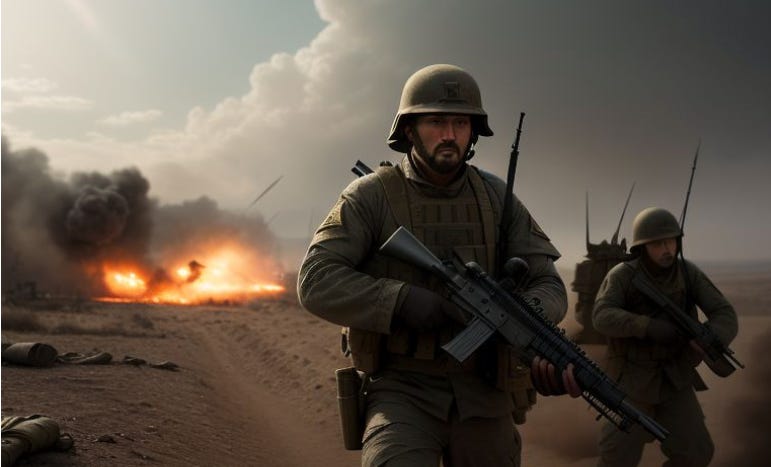
European Nations Enhance Crisis Preparedness Amid Rising Tensions
As security tensions rise across Europe due to Russia’s invasion of Ukraine, several European nations are stepping up efforts to prepare their citizens for potential emergencies. Sweden, Finland, and Germany are taking proactive measures to ensure their populations are ready for a range of crises, including military conflict, terrorism, and cyberattacks. These countries are focusing on both military readiness and civil resilience, urging citizens to actively participate in emergency preparedness.
Sweden: Preparing Citizens for Crisis
In Sweden, the government has distributed half a million copies of the “If Crisis or War Comes” pamphlet. This 32-page guide advises citizens on various topics, including how to use air raid shelters, store food and water, and improve digital security. The brochure emphasizes the importance of collective resilience, with a focus on each individual’s role in defending Sweden’s independence and democracy.
While many Swedes view this initiative as a necessary step, some citizens remain less concerned, with the pamphlet rarely discussed in daily life. The government’s push for greater preparedness comes amid growing concerns over the potential for military conflict in Europe.
Finland: Emphasizing Survival and Resilience
Finland, which shares a border with Russia, has implemented a program encouraging its citizens to “survive 72 hours” in case of an emergency. This includes practical guidance on dealing with everything from water shortages to military conflict. The Finnish government has also placed a strong emphasis on psychological resilience and cybersecurity, as part of a comprehensive approach to national security.
Germany: Reviving Cold War-Era Bunkers
In Germany, the government has introduced a national bunker plan designed to increase the country’s preparedness in case of a large-scale crisis. This includes a geolocation app that helps people find nearby shelters. The government is also working to restore and increase the number of available bunkers, many of which were dismantled after the end of the Cold War. This move is seen as a critical measure in preparing for potential threats in today’s increasingly uncertain geopolitical environment.
A Broader European Preparedness Strategy
These efforts in Sweden, Finland, and Germany reflect a broader trend of increasing national preparedness across Europe. As fears of a Russian attack persist, these nations are not only focusing on military readiness but also strengthening the resilience of their civilian populations. Their goal is to ensure that citizens are well-prepared for any emergency, from food shortages to large-scale military confrontations.
This shift toward civilian crisis readiness highlights the growing uncertainty in Europe today and the need for countries to prepare for multiple forms of emergency, whether military, cyber, or social. The collaboration between governments and citizens in these efforts underscores the importance of collective resilience in times of rising global instability.