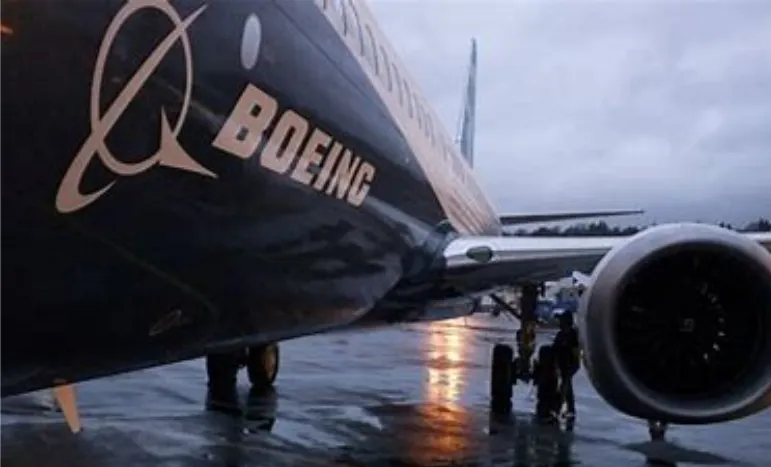


Boeing factory workers are set to vote on a revised contract proposal Monday after a seven-week strike, which has significantly affected the company’s operations. The new offer includes a 38% wage increase over four years, amounting to a compounded increase of approximately 43%, according to the International Association of Machinists and Aerospace Workers (IAM). In addition to the wage increase, Boeing has also raised its contract ratification bonus from $7,000 to $12,000 and has committed to enhancing its contribution to employee 401(k) retirement plans (IAM).
The strike, which began on September 13, involved approximately 33,000 IAM members after rejecting an initial offer that included a 25% wage increase over four years. A subsequent offer with a 35% wage increase was also rejected by 64% of the members last week. The union’s original demand was a 40% wage increase over three years, along with the restoration of traditional pension plans, which were frozen in 2014 for new hires. Boeing, headquartered in Arlington, Virginia, has maintained its stance against reinstating the traditional pension plans (Reuters).
The strike has caused significant delays in the production of Boeing’s critical airline models, including the popular 737 Max, with the company estimating a loss of approximately $100 million per day in revenue. This work stoppage is reminiscent of earlier disputes, including an eight-week strike in 2008 and a ten-week strike in 1995 (Business Insider).
Boeing’s latest proposal represents a considerable financial increase for its workers, with average annual pay for machinists around $75,600. However, tensions remain over other issues such as job security, retirement benefits, and working conditions. As the vote approaches, both Boeing and the IAM await a decision that could either end the strike or prolong one of the company’s longest labor disputes in recent history (The Seattle Times).